



Story by Tichaona Kurewa
FOR communities living alongside wildlife across Zimbabwe, coexistence has long come at a high human cost, families mourning loved ones, survivors living with permanent injuries, and households struggling to recover from devastating losses caused by wild animals.
In districts such as Hwange in Matabeleland North Province, daily life unfolds against a backdrop of both natural beauty and persistent risk, as residents share space with elephants, lions and other wildlife.
For years, victims of human-wildlife conflict received little support after attacks. That reality began to shift in 2025 with the enactment of the amended Wildlife Act, which introduced a Human-Wildlife Conflict Compensation Fund aimed at assisting those affected by wildlife-related deaths, injuries and losses.
For Mr Metrod Tshuma, the scars of such conflict are personal and enduring. In June 2025, he was attacked by a lion near his homestead while trying to protect his livestock.
“I was trying to protect my livestock. The lion came fast. I survived, but it bit off my thumbnail. Since that day, my hand has not been the same. I cannot do some of the work I used to do,” he recounted.
In September 2025, tragedy struck another Hwange family when 79-year-old Davison Mudimba was trampled to death by an elephant while tending to his cattle in a nearby grazing area.
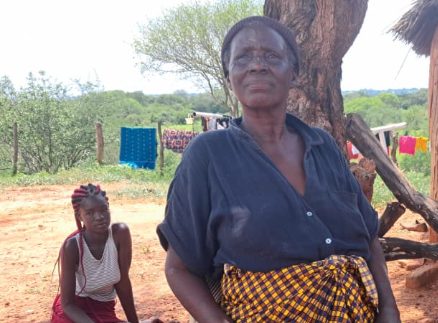
His widow, Mrs Violet Khumalo, now carries the heavy burden of survival alone.
“My husband was everything. When the elephant killed him, I lost my partner and my support. Since then, life has been very hard. I now depend on relatives.”
For widows like Khumalo, human-wildlife conflict is not a policy discussion but a daily reality, it is grief that echoes daily, empty chairs, silent evenings and children and grandchildren asking questions with no answers. That silence may finally be breaking.
In 2025, government signed the Wildlife Amendment Act into law, establishing the Human-Wildlife Conflict Compensation Fund, designed to support victims of wildlife-related injuries, deaths, and losses.
“This law is long overdue. Communities around Hwange have carried the cost of conservation for decades. People have died, and others are permanently injured. The compensation fund brings hope that victims will no longer be forgotten. Compensation may not bring back our loved ones, but it brings relief. We pray that it is not once-off, especially where a breadwinner is lost, support should be for life,” Chairperson of Greater Hwange Residents Association, Mr Hebert Ncube said.
Mr Ncube says the fund could restore dignity, helping families pay medical bills, rebuild livelihoods, and bury their loved ones without sinking into poverty.
“We are not against wildlife. We live with it. But coexistence must be fair. If a lion or an elephant destroys a life, there must be support. This fund can bring relief and restore trust between communities and authorities.”
For Tshuma, the prospect of compensation represents recognition as much as relief.
“If they compensate us, it means they see our pain. It means our lives matter too.”For Khumalo, it offers a fragile sense of stability after devastating loss.
“I cannot bring my husband back. But help would mean I can live, eat, and care for myself with dignity.”
As communities living adjacent to national parks wait for the full implementation of the fund, hope walks cautiously alongside fear. Elephants will still roam. Lions will still hunt.
But for the first time, victims of human-wildlife conflict may not have to face the aftermath alone.

