



Story by Kenias Chivuzhe
AGRICULTURAL commercialisation is emerging as a key driver of rural development in Mashonaland East, with diversified farming activities enhancing livelihoods, boosting food security, and supporting local economic growth.
At Fair Adventure Farm in Wedza, initiatives ranging from tomato production to goat rearing, poultry, crop cultivation, and fish farming are demonstrating the potential of agriculture as a business. The farm’s tomato project alone is projected to yield over 70 tonnes this season.
Farm owner, Senator Aplonia Munzverengwi, said the initiative was supported through government-facilitated loans coordinated by the First Lady.
“I have been able to venture into tomato farming as a result of support from the First Lady. She is our patron and facilitated that we are given loans to boost agricultural production. Here, we have 15 000 tomato plants, and further down, we have a batch of 10 000 plants and 5 000 plants. We are harvesting twice a week. I want to thank the First Lady for supporting us. So far, we have harvested 13 tonnesnd we anticipate reaching 70 tonnes by season’s end,” she said.
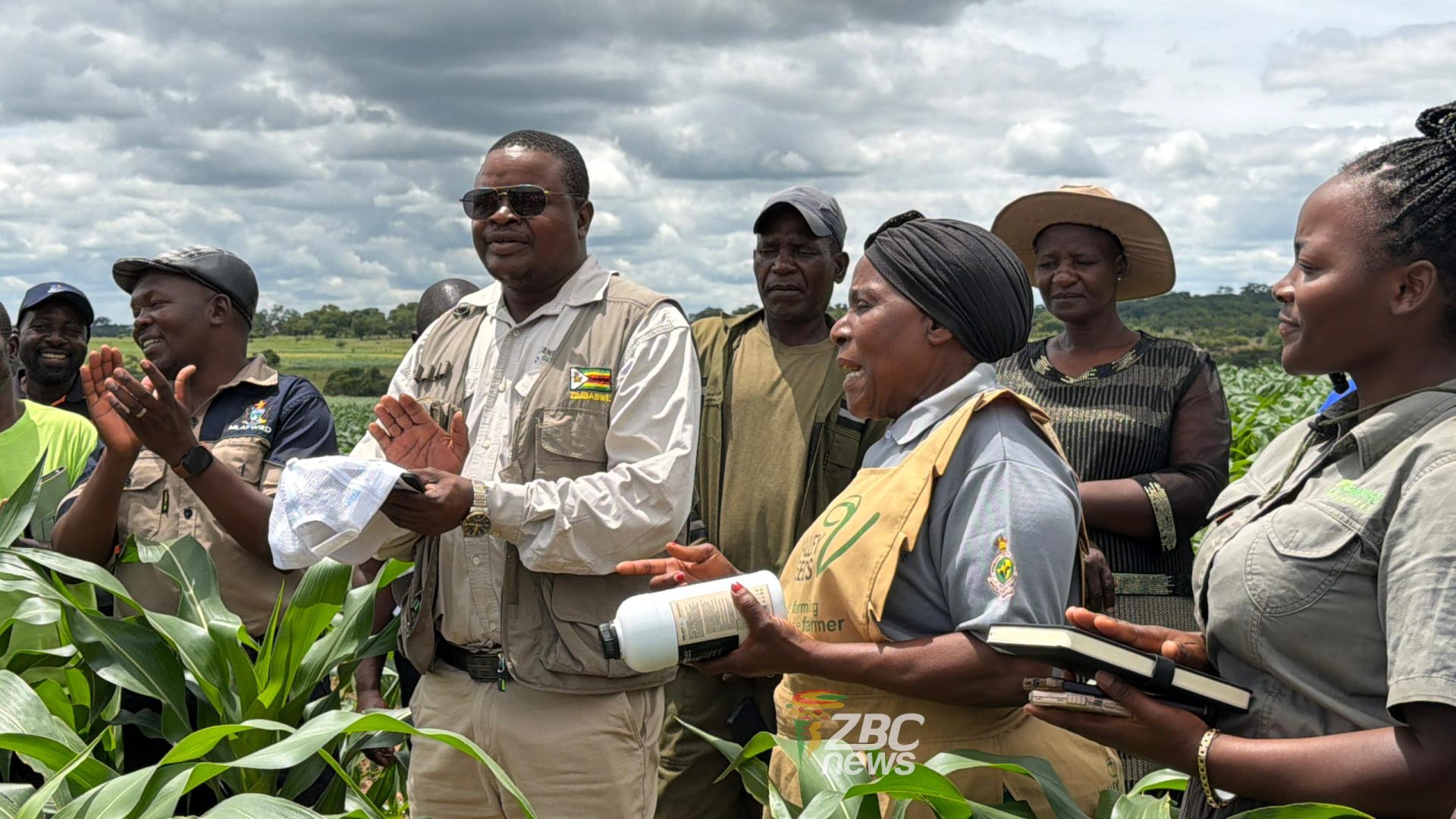
Agriculture experts who attended a field day at the farm are convinced that commercialising and diversifying agriculture production in rural areas is the fastest way of promoting sustainability and rural industrialisation as well as eradicating poverty.
“This was an eye-opening field day as A2 farmers and rural farmers came to witness the production of tomatoes, which Senator Munzverengwi is doing. We are promoting rural development through farming as a business. If rural farmers take these projects seriously, they will be able to make a lot of money even on small pieces of land,” agronomist, Ivan Craig said.
Fish farming was also highlighted as a promising venture. Milton Makumbe, Director of Fisheries and Aquaculture Resources Production, noted: “We have started breeding fingerlings which we want to service the Presidential Fisheries Scheme. Fish farming is one of the lucrative farming ventures as fish have a ready market. Farmers need to integrate it with other farming activities as what is being done here.”
Mr Leonard Munamati, Director of Rural Development in the Ministry of Lands, Agriculture, Fisheries, Water and Rural Development, said the government is complementing these efforts by improving water access and promoting integrated village development plans.
“In order to provide further impetus to the rural development agenda, we are sinking more boreholes. We want village heads to have village development plans to promote education, agriculture, and the establishment of processing plants, among other areas,” he said.
Mashonaland East Minister of State for Provincial Affairs and Devolution, Advocate Itayi Ndudzo, implored rural communities to embrace agriculture investments as a low hanging fruit in generating revenue and growing rural economies.
“Vision 2030 aims to promote national development. We are now implementing the National Development Strategy 2, which promotes development starting from the family level. There is great wealth here, which is out of hard work. The government led by President Mnangagwa believes that agriculture is the backbone of the country’s economy. We need to venture into agricultural activities and learn from the farming activities here. I have seen chicken projects, goats, round nuts and ground nuts, and tomatoes.”
The field day at Fair Adventure Farm underlines the transformative impact of viewing agriculture as a business. Experts say productivity and diversification are central to achieving national development targets under NDS2 and Vision 2030.

