



Story by Josephine Mugiyo, Diplomatic Correspondent
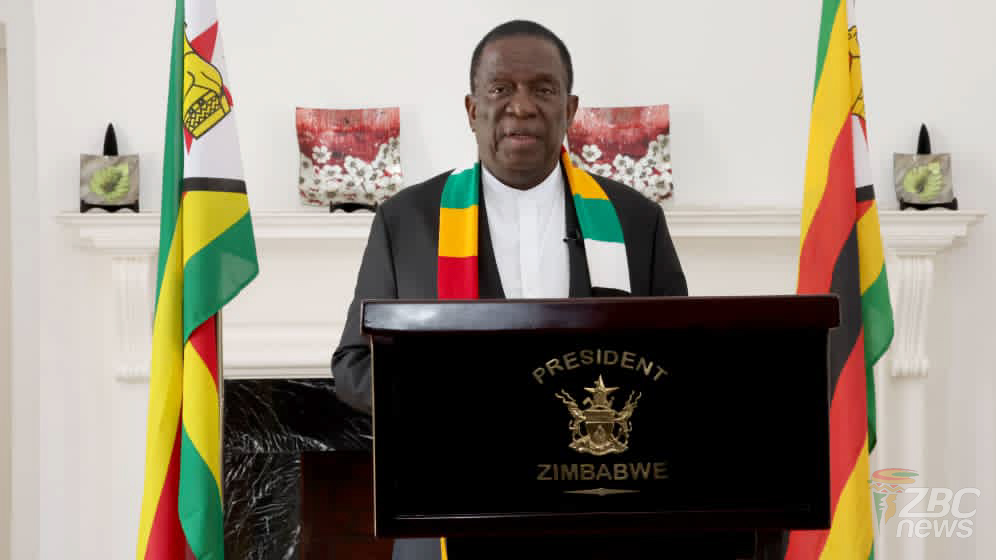
PRESIDENT Emmerson Mnangagwa has reaffirmed government’s commitment to ending HIV in Zimbabwe, emphasising that expanding access to prevention and treatment remains central to the national response.
He delivered the remarks on the eve of the World AIDS Day commemorations.
Since 1988, 1 December has stood as a global reminder of the collective responsibility to fight HIV and AIDS, a day of reflection on progress made, lives saved, innovations achieved, and renewed determination to reduce new infections and ultimately end AIDS as a public health threat.
President Mnangagwa said HIV remains a public health priority, adding that his government will continue mobilising the resources necessary to protect the nation’s gains.
Zimbabwe has registered significant progress over the years, with new HIV infections reduced by more than 80% in the past decade.
National HIV prevalence has declined from 14% to 11%, and treatment access has expanded nationwide.
“This year we commemorate this day with immense pride. Not only did Zimbabwe reach the global 95-95-95 targets and achieve epidemic control in 2022, but we have now surpassed the targets. Today, 97% of people living with HIV know their status, over 95% are on life-saving antiretroviral therapy, and 96% of those on treatment are virally suppressed. These achievements reflect the dedication of our focused leadership under the Second Republic, as well as communities and health workers. These gains assure us that Zimbabwe is on the path towards ending AIDS,” he said.
This year’s commemorations are being held under the theme “Overcoming Disruption, Transforming the AIDS Response”, a theme that speaks directly to the challenges confronting both global and national responses.
“This year’s theme speaks directly to the reality we face. Global funding has declined, particularly at a time when we are recovering from COVID-19 disruptions and confronting new pressures from non-communicable diseases, climate change-related health emergencies, Mpox, and other outbreaks,” he added.
While acknowledging the effects of shrinking global funding, President Mnangagwa said government will continue strengthening domestic financing mechanisms to safeguard progress.
“Government remains committed to mobilising domestic resources to ensure no one is left behind. We are transforming our response from dependency to self-determination and from fragmented vertical programmes to a fully integrated national health system. Our National AIDS Trust Fund, commonly known as the AIDS Levy, has continued to provide a predictable and sustainable resource base. To further strengthen the response, my government is integrating HIV services into primary healthcare so that testing, treatment and advanced care are accessible at every level,” he explained.
The President also outlined a roadmap aimed at sustaining gains and accelerating efforts to end AIDS, “As we look ahead, our focus is clear: expand access to prevention and treatment; integrate HIV services with other health interventions; address gender inequalities and stigma; and ensure the sustainability of our response through domestic resource mobilisation. HIV will remain a public health priority as part of our broader pursuit of universal health coverage.”
Zimbabwe’s national health financing philosophy; “more money for health and more health for the money,” continues to guide efforts to build a resilient and equitable healthcare system capable of maintaining gains in HIV prevention and treatment.

