



Story by Memory Chamisa
EMPOWERING women and ensuring their participation in climate action and leadership has been cited as essential for a just and effective response to climate change.
This emerged at the Gender and Climate Change preparatory meeting for the upcoming United Nations Conference on Climate Change (COP 30) set for Brazil in November.
The climate crisis continues to wreak havoc in several communities, with women and girls facing disproportionate impacts, as they are highly dependent on local natural resources for their livelihoods.
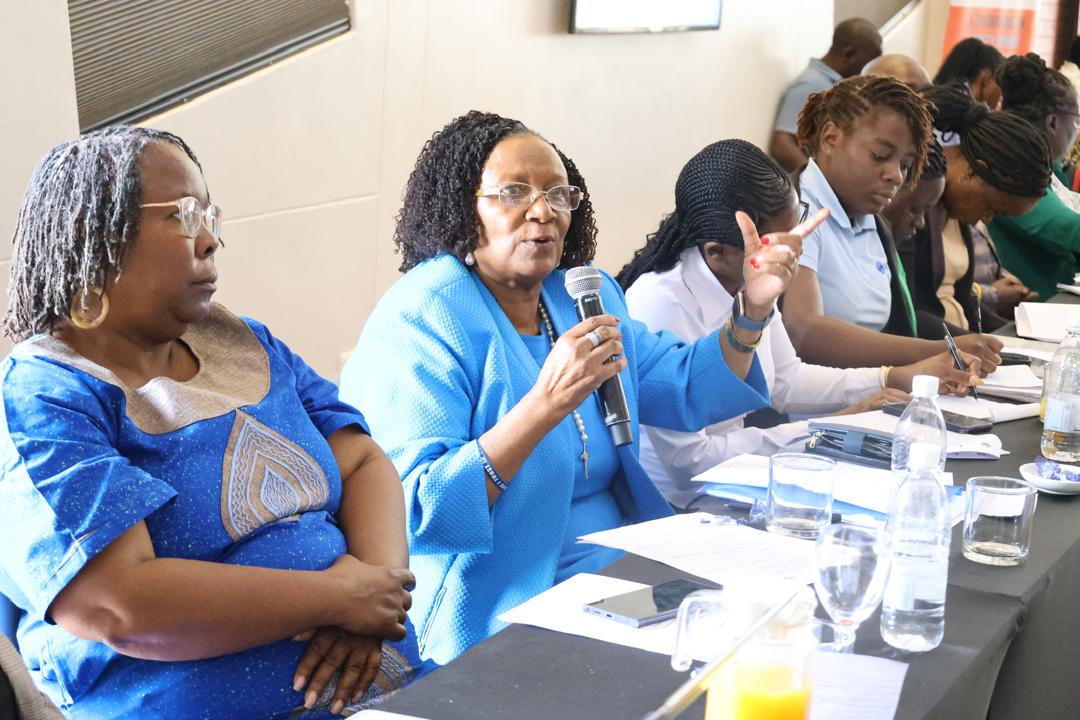
This Tuesday’s meeting witnessed women from various communities across the country, emphasising the urgent need for their inclusion to speak on global platforms, as they have had first-hand experiences with the vagaries of climate change.
“There is a need to place gender justice at the heart of climate action, focusing on empowering women as agents of change and ensuring our full participation in climate policies, finance, and implementation. This COP must be the example. I am one of the women who has been affected immensely by climate change. The winds and floods that hit Bikita last year saw me losing my home, leaving me exposed to the cold, lost property and crops as a result and to now, I have not received any compensation or assistance, as this is happening to a lot of people, so the issue of loss and damage is very much topical,” a participant said.
“If the household is not food sufficient, it means that the home is likely to experience domestic violence, early child marriages, hunger, school dropouts, and all this is being faced in my community in Zvimba because of Climate change. The change in weather patterns and farming seasons has contributed significantly to families, especially women, going through all this as they carry the burden to put food on the table. I have witnessed all this and believe it is imperative for us to be able to attend COP30 and speak for ourselves.
“There is a critical need for more climate finance to be directed towards women and girls, especially in vulnerable and crisis-affected areas, as we are the ones going through. The focus must shift from the Gender Action Plan to practical steps and funding for implementation, particularly in developing nations.”
Chief Director Gender and Women Affairs in the Ministry of Women Affairs, Community, Small and Medium Enterprises Development, Mrs Lilian Takaendesa and Parliamentary Portfolio Committee on Gender Member Mrs Prisca Mupfumira highlighted the role of women in implementing climate action.
“COP30 in Belem, Brazil, is seen as an opportunity to translate the lived experiences of women and frontline communities into urgent climate action. Climate action, when taken with a gender lens, can serve as a powerful engine for inclusive growth, improving livelihoods, health, and poverty reduction. The goal is to shift from recognising women’s vulnerability to actively integrating their leadership and solutions to build resilience and achieve a just and equitable climate future,” Mrs Lilian Takaendesa said.
“Many women in rely primarily on climate-sensitive livelihoods, such as small-scale farming and manual labour. This makes them highly exposed to the impacts of extreme weather events such as recurring droughts and floods, which damage crops and kill livestock upon which their livelihoods depend. The Government has made significant progress in ensuring women are protected from climate change through the borehole drilling programmes, pfumvudza/Intwasa climate-proof agriculture, all this to ensure their lives are made easier,” Mrs Prisca Mupfumira said.
COP30 is set for Belem, Brazil, and it is seen as an opportunity to translate the lived experiences of women and frontline communities into urgent climate action.

