



Story by Mhlomuli Ncube
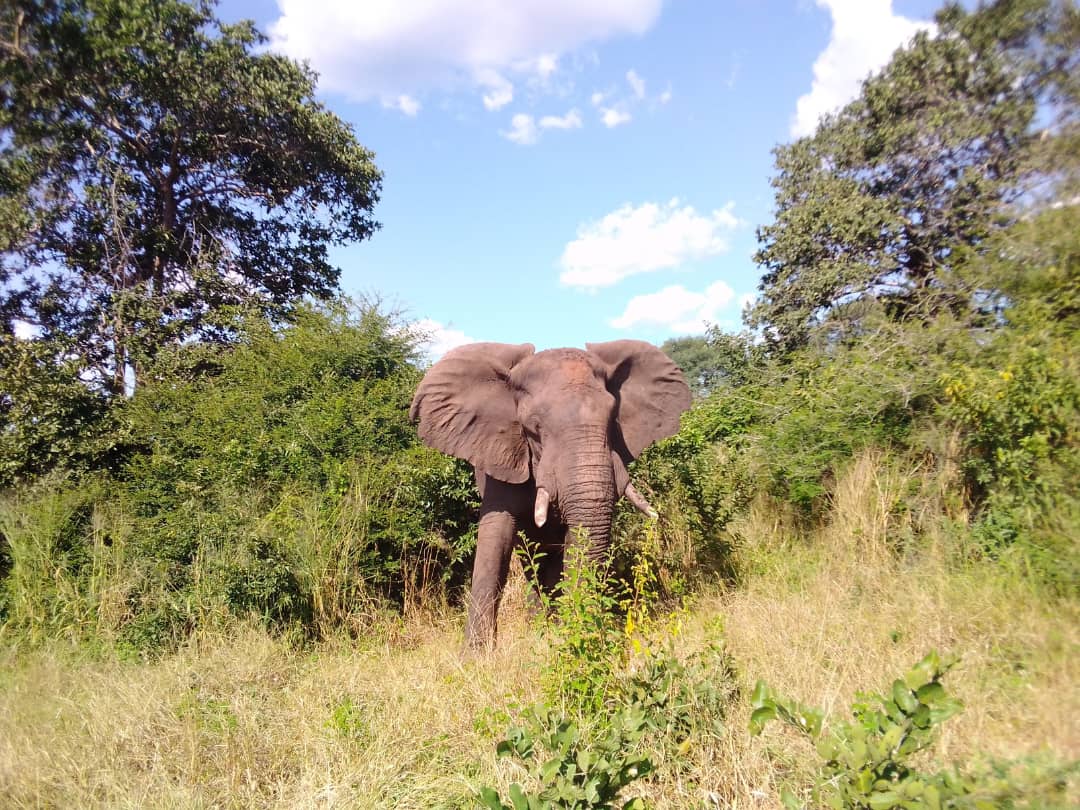
HWANGE National Park risks running out of the acacia tree, owing to the overpopulation of elephants in the country’s wildlife sanctuary.
An ecological crisis is looming at the national park, as the Acacia tree is one of the key food sources for elephants.
Currently home to over 45 000 elephants, three times its intended capacity of 15 000, the park is under unprecedented pressure, placing its natural ecosystem at serious risk.
Mr Tinashe Farawo, spokesperson for the Zimbabwe Parks and Wildlife Management Authority (ZimParks), raised alarm over the dire situation.
“We have continued to say that our national park is overpopulated. This is creating problems with elephants almost eating up all the acacia trees. If you look around, there are no new trees shooting up, and the consequence could be even bigger soon,” he said.
Environmentalists warn that without natural regeneration, the park’s ecological balance may collapse, leading to food shortages for wildlife and escalating human-wildlife conflict.
The shortage of food within protected areas forces elephants to stray into nearby human settlements, damaging crops and infrastructure, and in some cases, leading to fatal encounters.
Despite repeated calls by Zimbabwe and other African nations to adopt practical population control measures, efforts continue to be thwarted by foreign interference, particularly from anti-hunting lobby groups that resist regulated elephant management strategies.

