



Story by Tafadzwa Chigwedere
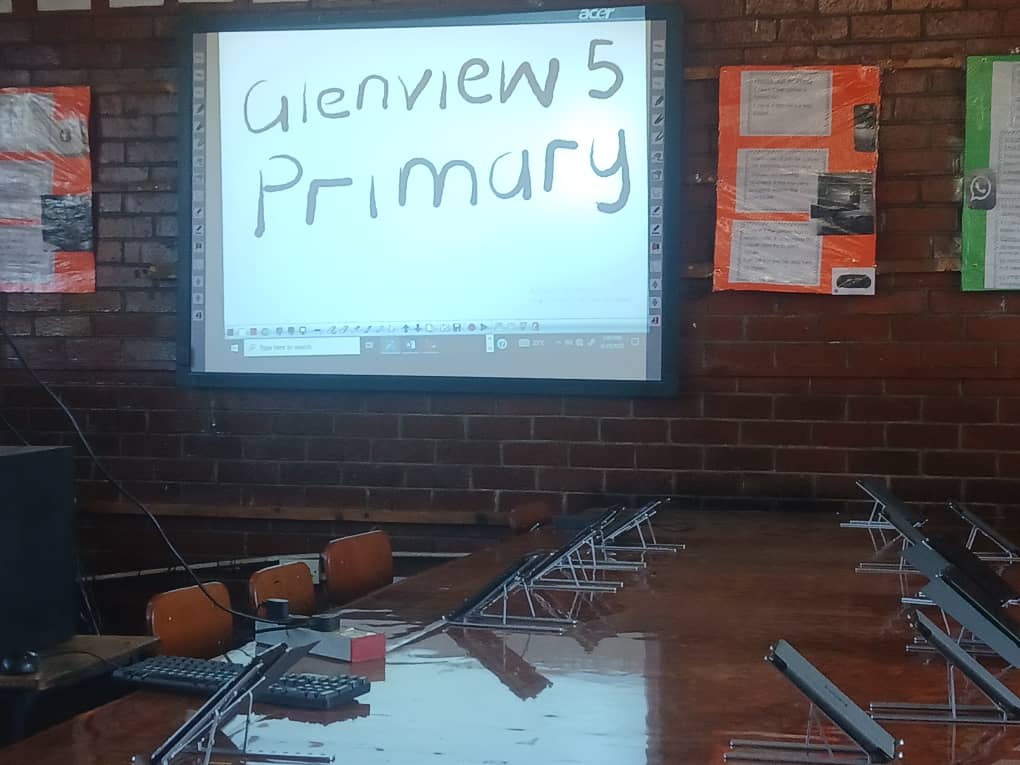
THE government is accelerating its drive to transform the education sector through public-private partnerships to create digital classrooms, with a Digital Research and Innovation Hub set to be commissioned in Glen View, Harare.
The initiative forms part of the broader Smart Schools programme, aimed at bridging the digital divide by transforming conventional classrooms into interactive learning spaces equipped with modern technology.
Beneficiaries of the programme expressed their appreciation for the initiative, which has introduced computers and smart boards to the school, making education more engaging and less reliant on traditional paper-based methods.
“We are very happy with the government’s project of bringing technology to schools as this will enable our children at primary level to have computer knowledge. This government programme is very important, it has improved learning, and it should be implemented in all schools,” one parent said.
Edutech Chief Executive Officer, Mr Luke Musambasi spoke on the importance of the private sector involvement in education, while the Minister of Primary and Secondary Education, Honourable Torerai Moyo reiterated the government’s commitment to creating smart classrooms.
“As the private sector we appreciate the government’s efforts in the education sector and we are here to complement them to achieve Vision 2030 for the Smart Schools programme,” Mr Musambasi said.
“The government has made great achievements in bridging the digital divide in Zimbabwe and the disparities that used to exist in terms of digital tools and skills are being bridged. The introduction of these digital hubs in both rural and urban schools is revolutionising the quality of the education system,” Minister of Primary and Secondary Education, Honourable Torerai Moyo said.
The government is actively on a drive to bridge the digital divide, focusing on infrastructure development and policy changes to ensure equitable access to technology.

