



Story by Story by Josephine Mugiyo, Diplomatic Correspondent
HARARE- THE Government says the country is poised to record a grain surplus of over 800 000 metric tonnes this year, as efforts to ensure food security gather pace.
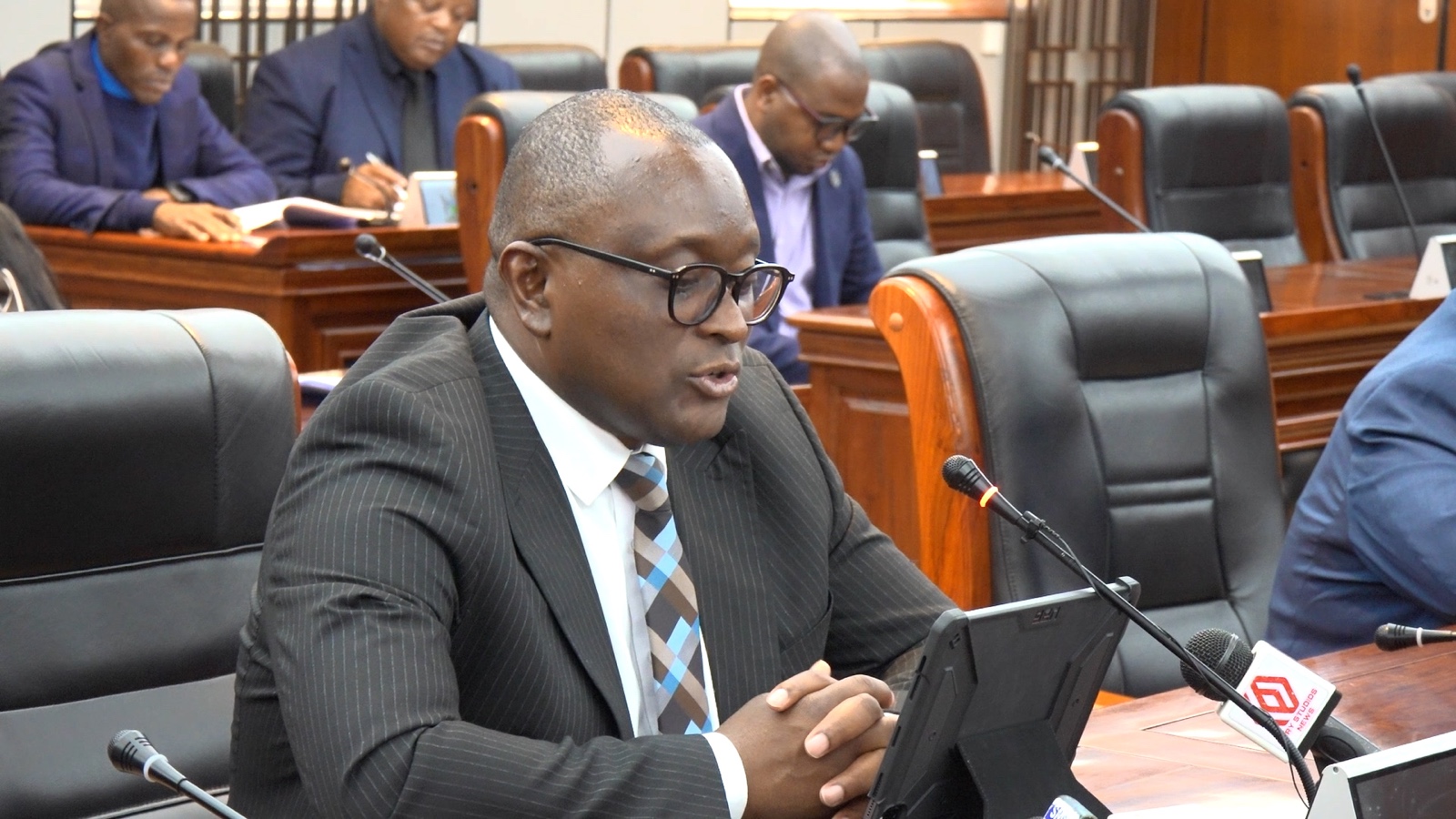
In a post-cabinet media briefing in Harare this Tuesday, Information, Publicity and Broadcasting Services Minister Dr Jenfan Muswere revealed the Second Republic has put in place various initiatives towards attaining food security.
“As the transformational programme of the Second Republic continue to bear fruit, the nation is projected to record a grain surplus of approximately 812 000 metric tonnes,” he said.
“This projection is based on an anticipated cereal reserve of 3.01 million metric tonnes comprising an expected harvest of 2 928 206 metric tonnes and an existing reserve of 83 526 metric tonnes, against an annual grain requirement of 2.2 million metric tonnes. Notably, the surplus will be even greater if projections are based on the SADC regional average cereal consumption rate of 8.5 kilogrammes per person per month or on the national actual average consumption rate of 7.7 kilogrammes per person per month,” he said.
It was also noted that the targeted winter wheat hectarage of 120 thousand hectares has been surpassed.
“Regarding wheat production, over 122 142 hectares have been planted to date, exceeding the initial target of 120 000 hectares. Government continues to monitor key enablers to guarantee the achievement of an anticipated production of 600 000 metric tonnes of wheat from the 2025 season. Currently, barley planting stands at 6 115 hectares, achieving 794.1% of the 6 500-hectare target. Meanwhile, 4 512 hectares of potatoes have been planted, against a target of 8 750 hectares,” Dr Muswere said.
An update was also given on cotton and tobacco marketing where it emerged the tobacco marketing season has surpassed the initial target of 300 million kilogrammes.
“The 2025 cotton marketing season commenced on June 9, with approximately 311 000 kilogrammes marketed to seven contractors to date. In tobacco marketing, a significant milestone has been achieved, with total sales surpassing the 300 million-kilogramme target set under the Tobacco Value Chain Transformation Plan to reach 309 120 966 kilogrammes.
“This represents a 45.65% increase in volume, compared to the 209 million kilogrammes sold in 2024, and sales are still ongoing. Although the average price has slightly decreased from US$3.45 to US$3.36 per kilogramme, the total value of sales has surged to over US$1.04 billion, up from the US$721 million attained in 2024,” Minister Muswere said.
Responding to questions on cotton side marketing the Minister of Lands, Agriculture, Fisheries, Water and Rural Development, Dr Anxious Masuka said this is a cancer that needs to be decisively dealt with as it adversely affects cotton production.
“The cotton side marketing is a real cancer that needs to be dealt with as it can sink the cotton production sector,” he said.
Drug and substance abuse continues to be a menace, with cabinet receiving a report that 41 drug kingpins have been named.
“Regarding the update on the Supply Reduction Pillar, the Criminal Investigations Department received five drones from the Ministry of Local Government and Public Works for surveillance purposes at border posts. Forty-one drug kingpins were named and shamed during the period, and Individuals were sentenced to custodial terms ranging from 12 months to 15 years in prison.
“A cumulative 206 raids were conducted nationwide, leading to the dismantling of 39 illicit drug bases and arrests of 1 445 suspects. The Liquor Licensing Board inspected 461 premises, 429 of which were licensed. The 32 premises that were found to be unlicensed were each fined US$40. Government is fully aware that empowerment programmes play a pivotal role in transforming young citizens to be productive and avoid the trap of drug and substance abuse,” Dr Muswere said.
The country’s artificial intelligence readiness also came up for discussion, where it emerged Zimbabwe is one of six countries in Africa selected and sponsored by UNESCO to take part in piloting the UNESCO recommendation in deploying artificial intelligence technologies and addressing ethical risks in deploying artificial intelligence, leveraging on the innovative readiness assessment methodology.

