



Story by Memory Chamisa
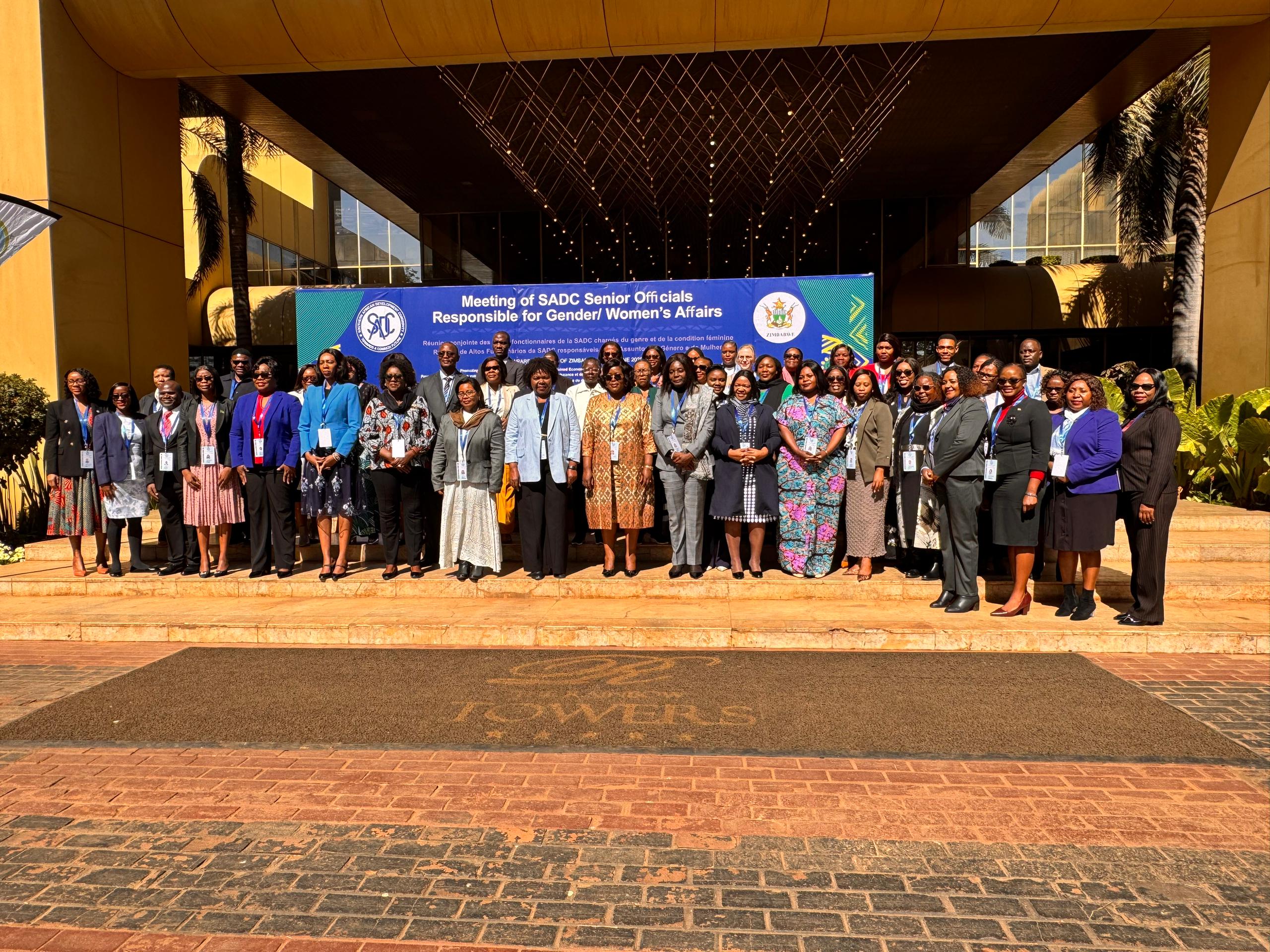
HARARE – SENIOR officials from Southern African Development Community (SADC) Member States have convened in Harare for the Ministers of Gender and Women Affairs Meeting, with a strong focus on accelerating the implementation of the SADC Protocol on Gender and Development.
The high-level gathering began on Monday with a dialogue among senior officials, setting the groundwork for deliberations by Ministers scheduled for Friday.
Welcoming delegates, Permanent Secretary in the Ministry of Women Affairs, Community, Small and Medium Enterprises Development, Dr Mavis Sibanda, stressed the importance of regional collaboration in advancing gender equality.
“This meeting is a vital platform for discussion and collaboration on pressing issues related to gender equality and women’s empowerment in our region. Coinciding with the global celebration of 30 years since the Fourth World Conference and the Beijing Declaration, we have a unique opportunity to reflect on our progress in implementing the commitments outlined in the SADC Protocol on Gender and Development and other normative frameworks on gender and women’s empowerment,” she said.
Head of Gender in the SADC Secretariat, Ms Phemelo Maiketso, echoed similar sentiments, urging Member States to maintain momentum through innovation and solidarity.
“This meeting allows us to explore innovative approaches to achieve gender equality under the broader SADC theme of promoting innovation for sustained growth and development. While we celebrate significant progress both at national and regional levels, it is imperative to acknowledge and tackle the persistent challenges that impede our progress,” she said.
Delegates are expected to engage in closed-door sessions until Thursday, after which Ministers will consider recommendations geared towards concrete action and implementation.
While notable strides have been made across the region, systemic challenges such as gender-based violence, unequal access to education and economic opportunities, and underrepresentation in leadership persist.
The dialogue aims to confront these obstacles head-on and propose innovative, unified strategies to close existing gender gaps.

