



Story by Margaret Matibiri
The Second Conference of the Inter-Parliamentary Union (IPU) Interfaith Dialogue has concluded in Rome with a strong call for inclusive dialogue, peace, and the ethical use of emerging technologies in strengthening religious and cultural understanding.
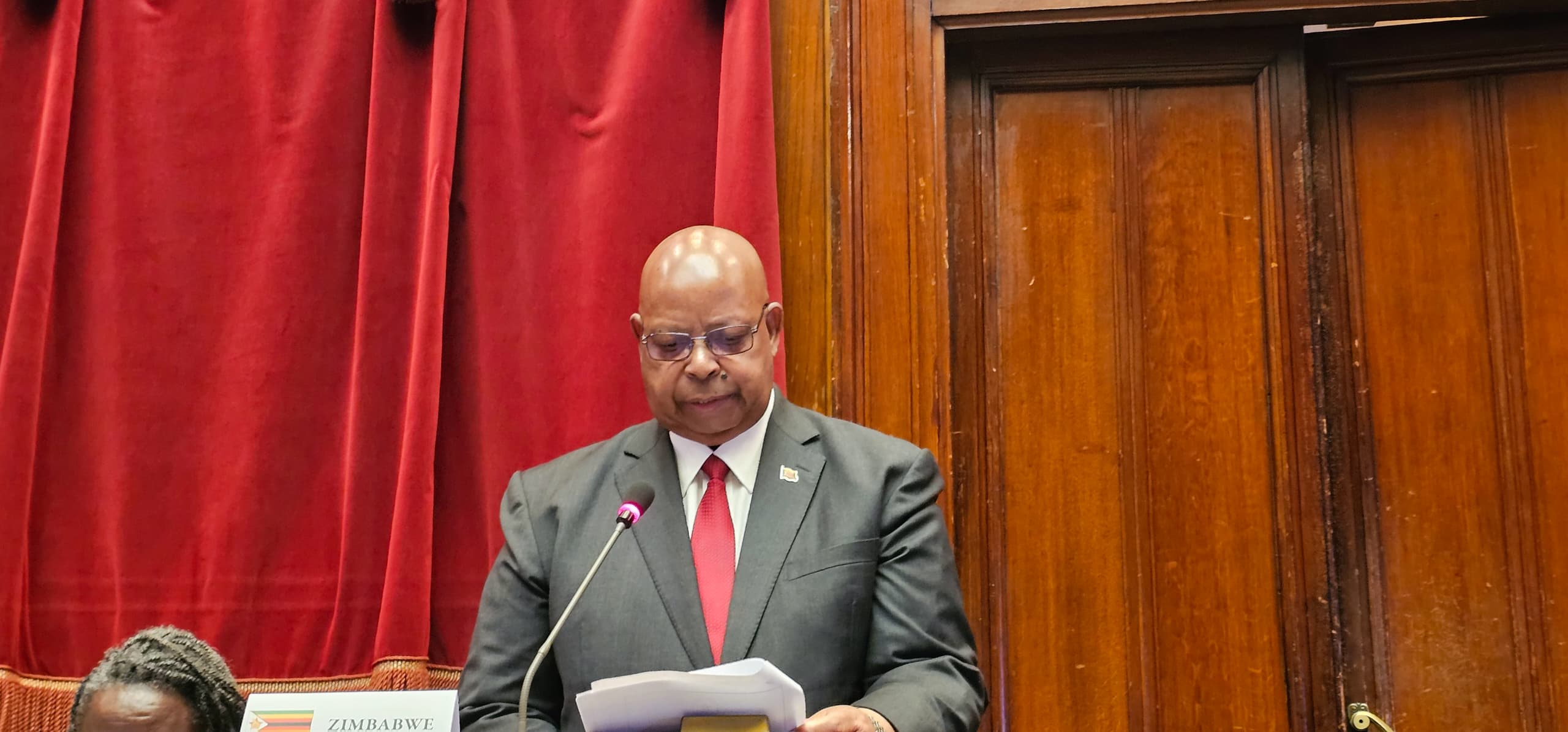
Zimbabwe’s Speaker of Parliament, Advocate Jacob Mudenda, was among the distinguished speakers at the General Debate, held at Palazzo Montecitorio.
Speaking on the theme, “Parliamentarians in Dialogue with Religion and Belief: Strengthening Trust and Embracing Hope for Our Common Future,” the Speaker emphasised the critical role of parliamentarians in advancing inclusive governance through empathy and principled leadership.
“Strengthening trust and embracing hope for our common future is a hallowed responsibility for Parliamentarians in dialogue with religion and belief,” Advocate Mudenda said.
“Such an onerous responsibility demands that Parliamentarians be evocative in their conversation with religion and belief in some measured theological plane.”
He urged parliamentarians to engage dynamically with diverse faiths to better understand their intricacies and warned that failure to do so could result in legislation that does not adequately protect fundamental rights and freedoms.
“If not, there is some danger that Parliamentarians may find it challenging to legislate comprehensively for laws which ought to advance interfaith dialogue that is promotive of collegiate respect for the inalienable fundamental rights and freedoms in respect of the consummation of human dignity in worship.”
Speaker Mudenda also championed the responsible use of Artificial Intelligence (AI) in promoting interfaith dialogue. He noted the potential of AI for real-time language translation, inclusive content generation, and predictive analytics in supporting peaceful co-existence while cautioning that all AI applications must be governed ethically.
“Parliamentarians and religious leaders must bear a critical responsibility in shaping the ethical governance of AI lest we forget the pivotal anchor of the human factor in AI applications,” he said.
Referencing the late Pope Francis, the Speaker highlighted hope as a foundation for peace in a world increasingly scarred by conflict.
The conference, jointly organised by the IPU, the Italian Parliament, and Religions for Peace, convened lawmakers, religious leaders, UN representatives, civil society actors, and scholars over two days.
The dialogue concluded with IPU President Dr Tulia Ackson urging delegates to continue fostering interfaith understanding and peaceful co-existence through robust parliamentary engagement.

