



Story by Tamuka Charakupa
KADOMA-THE Government has reaffirmed its commitment to the effective delivery of justice, law, and order, as key stakeholders converged in Kadoma for a week-long Justice, Law and Order Sector (JLOS) workshop.
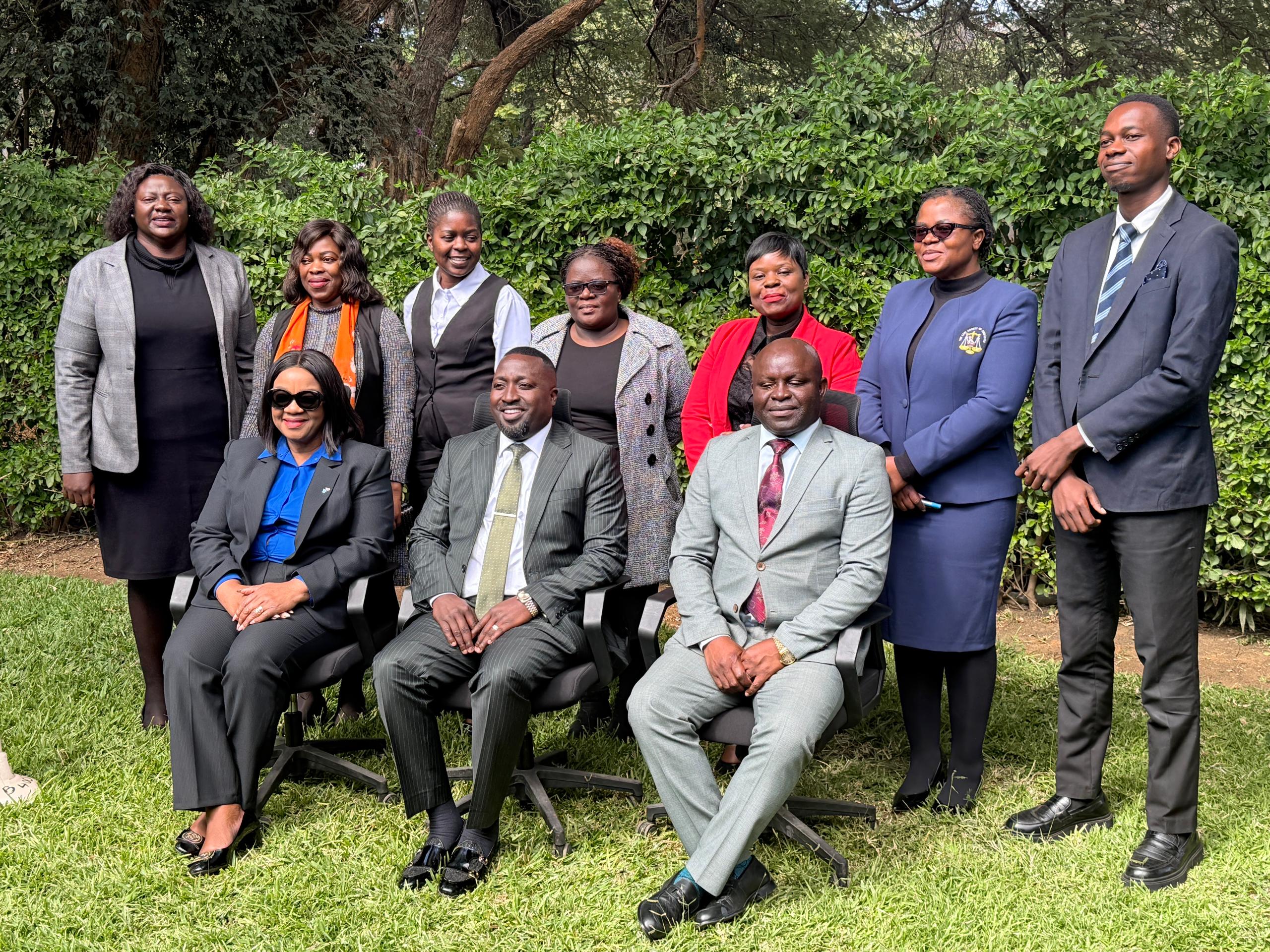
The high-level engagement, held from Monday to Friday, brought together officials from the Ministry of Justice, Legal and Parliamentary Affairs, representatives from the Law Society of Zimbabwe, the Zimbabwe Human Rights Commission, district prosecutors, and other justice sector actors.
The meeting served as a platform to assess progress, highlight challenges, and refine the framework for strengthening justice delivery across the country.
Delivering remarks at the event, Deputy Minister of Justice, Legal and Parliamentary Affairs, Honourable Nobert Mazongonye, underscored the importance of the JLOS Steering Committee, which last convened in 2019.
“This Committee is a critical part of the JLOS structure, providing policy guidance to enhance smooth operations of the mechanism. Thus, it was imperative that this meeting be convened to give direction to the JLOS for the proper implementation of their work. During this meeting, we discussed how the JLOS should function better, make policy decisions and raise the challenges that are foreseen in the implementation of the work of the sector as a whole,” he said.
Permanent Secretary in the Ministry, Mrs Vimbai Nyemba, reiterated that justice delivery and the promotion of human rights require a collective, well-coordinated approach.
“Key issues discussed included the structure of JLOS itself, clarifying the roles and terms of reference for each committee, and adopting resolutions to move the sector forward. We continue to take a whole-of-government approach, recognising that the promotion of justice and human rights cannot be the responsibility of one institution alone,” she noted.
Among the major concerns raised was the unregulated growth of legal aid societies and debt collectors operating without registration, often misleading the public and infringing on the mandate of registered legal practitioners.
“Many legal aid societies and debt collectors are not registered with the relevant authorities and are therefore not legally permitted to offer legal services. This has resulted in members of the public being misled and ultimately turning to the Law Society for redress. We are pleased to have brought these challenges before policymakers and hope they will be addressed in due course,” Regulation Manager at the Law Society of Zimbabwe, Mrs Rebecca Musimwa said.
District Public Prosecutor Ms Gracious Chamunika highlighted that the workshop led to the creation of specialised committees tasked with identifying policy and legislative gaps.
“Different committees have been put up tasked with specific mandates. This platform enables us to identify laws with gaps and foster recommendations with the hope that these issues will be presented to lawmakers,” she said.
The government continues to institutionalise its whole-of-government approach through key commissions, including the Zimbabwe Human Rights Commission and the Zimbabwe Independent Complaints Commission, all aimed at reinforcing the rule of law and safeguarding citizens’ rights.

