



Story by Tafara Chikumira
THE Second Republic’s Livestock Recovery and Growth Plan is on course, with government launching the Urea-Treated Stover Can Produce in the Midlands province in a move set to ramp up livestock production.
Urea-Treated Stover Can Produce is a mixture of molasses, urea, salt, and major sources of crop residue like barley and maize, among others, which has nutritional value and is fed to livestock in times of drought.
The El-Nino-induced drought which threatened livestock in the previous season has prompted the government to bring together livestock heads from across the Midlands province to get proper induction on how to make the nutritional feed to cascade the experience to the grassroots.
“We are urging our farmers to prepare urea-treated Stover to feed their livestock. We are saying with just one sack of urea you can prepare feed enough to feed your livestock for the whole year. Feeding the livestock with maize stacks is like eating sadza with no relish. However, if we use the urea treated Stover this has a CP content of 12 % and it means we are now increasing production and as a government, we have a programme to give each farmer a sack of urea which makes it very cheap to make the feed as opposed to buying from shops,” Midlands Provincial Livestock Specialist, Mrs Ezra Svorai said.
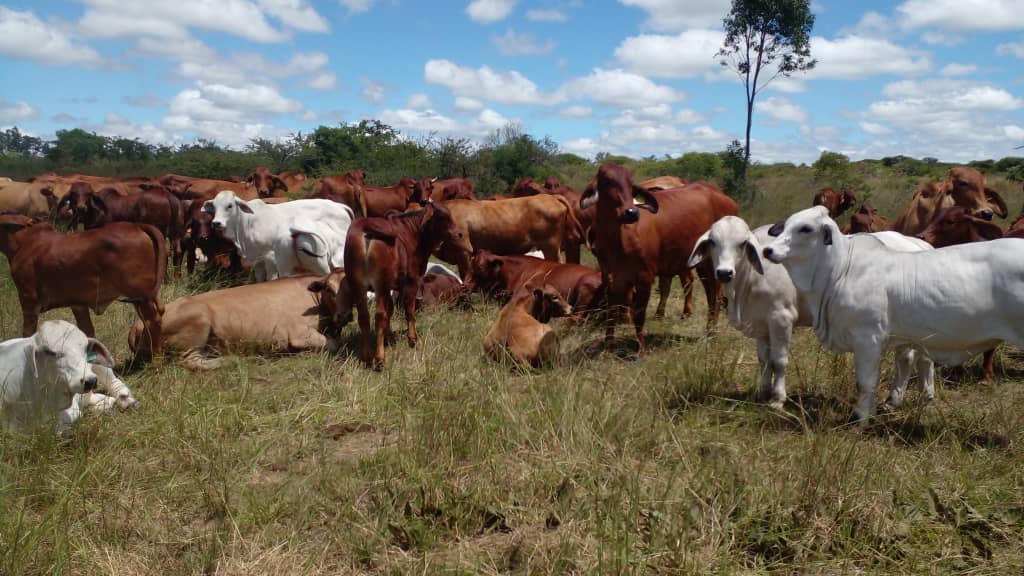
The Midlands province is targeting to improve its provincial herd from around 900 000 to over a million by the end of the year.
“It is critical for farmers to prepare this feed to deal with drought. Last year we lost some herd due to drought but this year we are saying we have this feed. We are also having the borehole drilling exercise through the Presidential Borehole Drilling Scheme and as such, we have enough water so with feed on the ground we are set for massive livestock production,” Midlands Provincial Director for Agricultural and Rural Development Advisory Services (ARDAS), Ms Busiso Olga Mavankeni said.
In 2022, the Second Republic launched the Livestock Recovery and Growth Plan with the aim of transforming farmers’ livelihoods and growing the country’s economy.

