



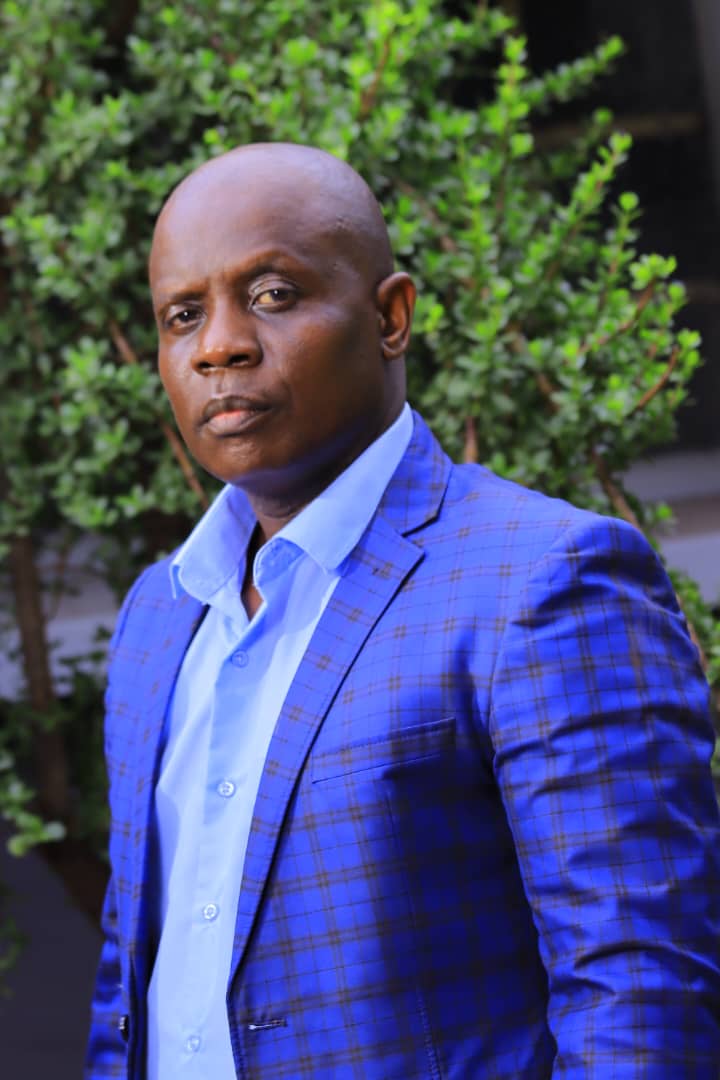
By Shephard Kembo
Entrepreneurship has long been a subject of debate raging especially when it comes to the question: Are entrepreneurs born with innate traits, or are they shaped by exposures, experiences, training and or education? While some argue that natural-born entrepreneurs possess an inherent ability to take risks and innovate, others believe that entrepreneurship is a skill that can be developed over time.
It has now been established that in reality, entrepreneurship has proved to be a combination of both nature and nurture, successful entrepreneurs often display a mix of inborn traits and learned competencies.
The Case for Born Entrepreneurs
Some individuals seem to have inherent inborn natural ability to identify opportunities, take calculated risks, and persist throughout all the persistent difficulties and challenges.
These individuals often exhibit successful entrepreneurial traits such as:
High-risk tolerance, many successful entrepreneurs are naturally not risk averse, inclined to take bold risks, an essential quality in most business ventures.
Innovative thinking, some people possess an innate ability to think creatively and solve problems differently at all times.
Charismatic leadership, great entrepreneurs usually can inspire and influence people, often through strong interpersonal skills.
Resilience and Determination – The ability to withstand and steadily persevere in the face of failure is often seen as an inborn critical trait.
Steve Jobs, Elon Musk, and Richard Branson are often cited as examples of entrepreneurs who had an innate entrepreneurial spirit from a young age.
The Case for Made Entrepreneurs
While natural traits may play a role, research suggests that entrepreneurship is largely a trainable and learnable learned skill. Many successful entrepreneurs have acquired their entrepreneurial expertise through exposure, experience, training education, and mentorship. Factors that contribute to shaping entrepreneurs include: education and T
training, business schools, incubators, and entrepreneurial programmes that facilitate and provide the knowledge necessary for entrepreneurial exposure, training and success.
Experience and Exposure
In most instances and cases, many successful entrepreneurs start as employees or apprentices before launching their own businesses.
Mentorship and Networking
Studies have also demonstrated and shown that Learning from experienced entrepreneurs helps new business owners navigate various complicated business landscapes and terrains including that challenges that come with such.
Adaptability and Continuous Learning
Entrepreneurs who do not always give up and are resilient, who are willing to learn from their numerous failures and keep refining their strategies tend to more often succeed as compared to those who give up easily and quickly.
A very good example of such a well-known entrepreneur is Howard Schultz, the former CEO of Starbucks, who started as an employee before transforming a small coffee company into a global brand. Zimbabwe also has a number of successful entrepreneurs who started off as employees and executives but ended up buying the businesses that they used to run as managers through Management buy outs, demonstrating that entrepreneurial skills can be acquired over time.
Striking a Balance: The Hybrid Entrepreneur
We need to understand and acknowledge that the most successful entrepreneurs tend to have a combination of both innate traits and learned skills. While a person may be born with creativity and resilience, they still need to develop financial acumen, leadership skills, and business strategies for them to succeed. This hybrid model suggests that anyone with the right mind set, exposure education, training and experience can become an entrepreneur.
Conclusion
In conclusion from the above-gathered information, it is safe to say entrepreneurship is not exclusively the result of genetics or environment, it is a dynamic combination of both learnable, trainable and inborn abilities and capacity. While some individuals may have a natural entrepreneurial mindset, the majority of successful business leaders have cultivated their skills through hard work, education, training and experience. This means that anyone with ambition, dedication, and the willingness to learn may become an entrepreneur. Whether born or made, what truly matters is the ability to adapt, innovate, and persist in the ever-changing business world.
Shephard Kembo (Managing Partner Globavel International PVT LTD)

