



Story by Memory Chamisa
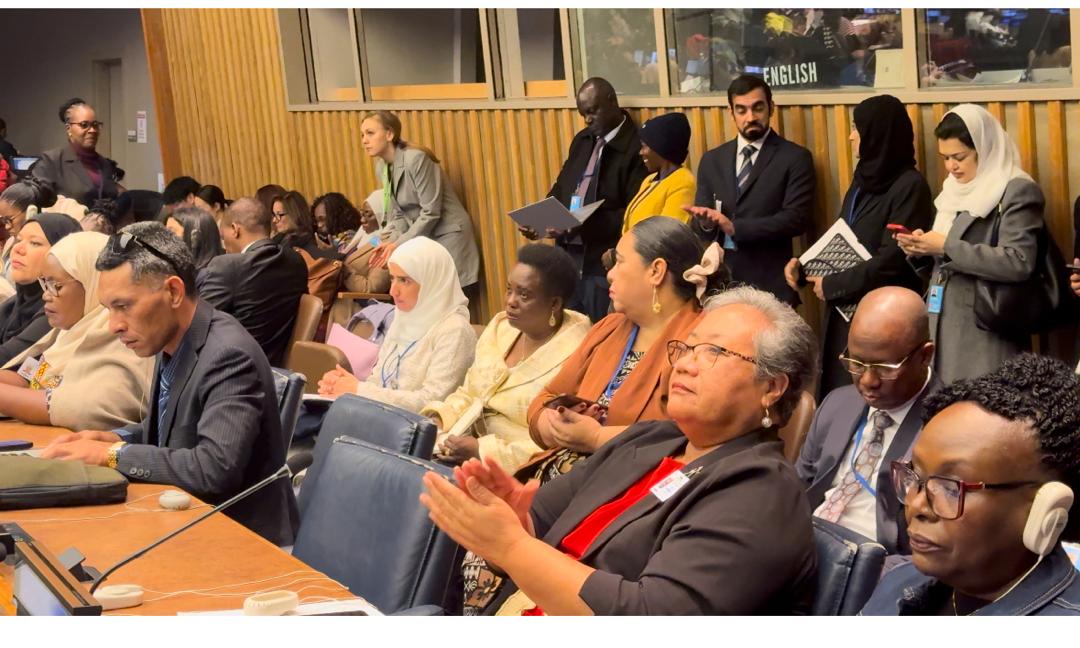
THE need to strengthen laws to end early marriages and empower the girl child took centre stage at the African Union-United Nations Ministerial Round Table Meeting on the sidelines of the ongoing Commission on the Status of Women Conference in New York.
In Africa, one in three girls are married before their 18th birthday, often without their consent.
These statistics were brought up during the Round Table Meeting where governments, civil organisations, United Nations agencies and survivors of early marriages came together to condemn the practice with the contempt it deserves.
“Over 17 million girls across Africa are forced to marry at a young age. The continent contains nine out of the 10 countries with the highest rates of child marriage in the world. Specifically, the instance of child marriage affects 75 percent of girls in Niger, 68 percent in Chad and the Central African Republic, 63 percent in Guilea, 56 percent in Mozambique, 55 percent in Mali, 52 percent in Burkina Faso and South Sudan and 50 percent in Malawi,” a participant said.
“The practice is not only a violation of young girls’ rights, but also poses great health risks. The prevalence of child brides results in high rates of maternal and child mortality, as girls in these marriages are more likely to experience premature births, obstetric fistula, sexually transmitted diseases including HIV and domestic violence. Having a family at a young age also limits access to education and employment,” another added.
Zimbabwe’s head of delegation who is also the Minister of Minister of Women Affairs, Community, Small and Medium Enterprises Development Senator Monica Mutsvangwa stressed the need for decisive action on early marriages.
“Continuous action from governments enacting and upholding laws against child marriage and grassroots organisation to educate people about the consequences of the practice to local communities is pivotal. Specifically, governments need to implement laws to raise the minimum age of marriage to 18. The combination is essential because the majority of instances of child marriage occur with poor families who have little access to opportunity.
“If nothing is done to stop the practice, over 14.2 million girls under the age of 18 will be married every year and the number of girls under the age of 15 giving birth will rise from 2 million to 3 million by 2030. The end of child marriage will also bring freedom. More women will be able to have an education, participate in the workforce and overcome poverty. Empowering women will not only have individual potential, but will also lead to greater development of African nations.”
“I am my sister’s keeper” were the parting words for the session with the question still hanging if Africa will be able to end child marriages.

