



Story by Kenias Chivuzhe
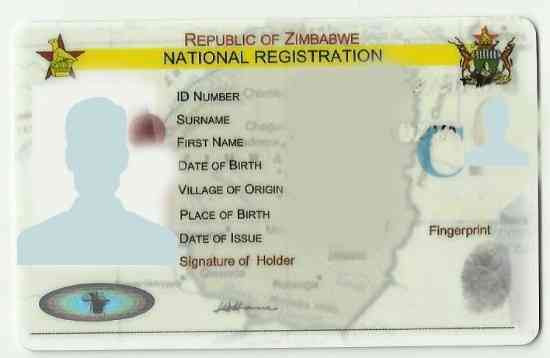
ZIMBABWE continues to improve access to national identity documents for people throughout the country, in accordance with the recommendations of the National Inquiry on access to documentation.
In response to the widespread challenges individuals faced in obtaining identity documents, the Second Republic, through its Human Rights Commission, conducted a National Inquiry on Access to Documentation, culminating in a comprehensive report published in 2020.
To follow up on the recommendations from the national inquiry, the Zimbabwe Human Rights Commission recently organised a stakeholder engagement meeting, where various groups acknowledged the progress made in improving access to national identity documents.
“In our district, there is a huge improvement because as it is now easy to get birth and death certificates. As traditional leaders, we have been empowered to assist orphans and other children to acquire identity documents,” chief Makumbe said.
“The registry office is now more open in assisting the deaf to access identity documents. We have partnered with the registry office to remove communication barrier between the deaf and authorities. The partnership is also making it possible for persons with disabilities to access vital information on the importance of identity documents,” Deaf Centre’s director, Blessing Chaipa-Nzveve said.
“Before independence and even after independence, it was a privilege to access identity documents. We are happy that it is now a right enshrined in our national constitution.
“Zimbabwe has made tremendous strides in promoting the issue of human rights and administrative justice. We are glad that our government has implemented various reforms to improve the legal framework protecting individual rights and freedoms.”
“The Inquiry highlighted challenges being faced by border communities, disaster-affected communities, persons with disabilities, the elderly, and minority groups among others,” Zimbabwe Human Rights Commission chairperson, Jessie Majome, said.
“The inquiry emphasises the need for urgent and targeted measures to improve access to documentation by affected groups. The report requires us to take stalk of progress and challenges that are now few due to developments which have taken place in the country.”
Manicaland Minister of State for Provincial Affairs and Devolution, Advocate Misheck Mugadza outlined some of the measures taken to improve access to identity documents in Manicaland province.
“I wish to thank the President for fully supporting the inquiry. Identity documentation is a right as they facilitate people to access other rights such as education, health and employment among others. The government conducted a blitz in Chimanimani for cyclone Idai survivors to access documentation.
“It has also decentralised passport offices to Chipinge. During the 2023 elections, communities in hard-to-reach places were given documentation for free. Government is in the process of capacitating traditional leadership who have been given a mandate to assist in improving access to identity documents,” Advocate Mugadza said.
The National Inquiry on Access to Documentation highlighted that special interest groups such as orphans, women, persons with disabilities, minority groups and people in disaster-affected areas and border communities need more attention.

