



Story by Abigirl Tembo, Health Editor
The United Nations Population Fund (UNFPA) has partnered the Zimbabwe Council of Social Workers and eight universities to review the social work curriculum and include Gender-Based Violence (GBV) case management.
The move marks a significant step towards strengthening Zimbabwe’s response to GBV as the world commemorates 16 Days of Activism Against GBV.
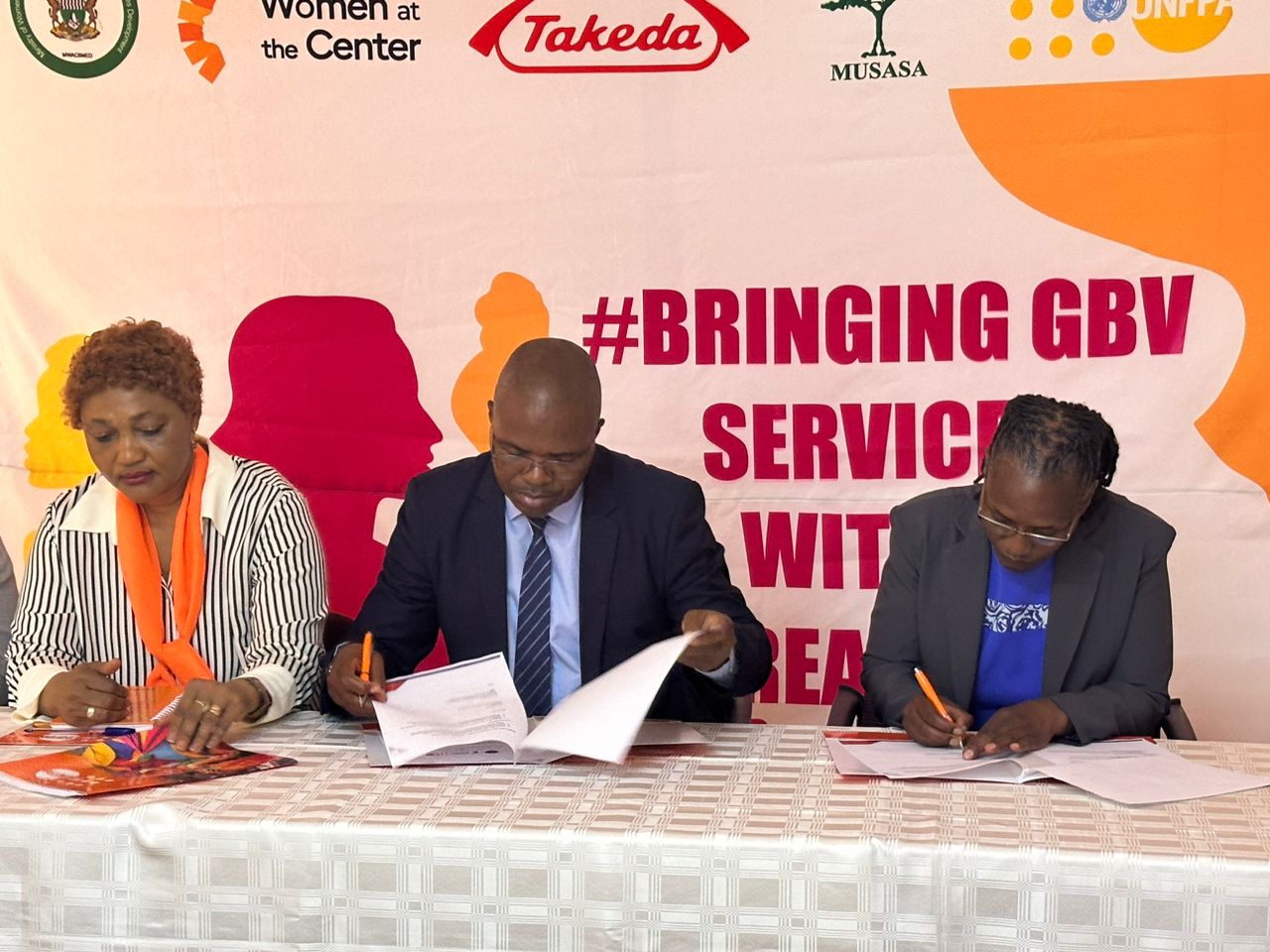
The partnership which was formalised through a signing ceremony this Friday aims to equip social workers with the necessary skills and knowledge to provide comprehensive support services to GBV survivors.
UNFPA Country Representative Ms Miranda Tabifor and officials from various government ministries hailed the partnership as a significant step towards ensuring social workers are equipped to address GBV.
“We are investing in this partnership with Zimbabwe Council of Social Workers and the eight universities in the country in the fight against gender-based violence because it is very critical for the relief of survivors of gender-based violence. The role that psychosocial support plays in bringing about this dignity restoration of survivors is very critical. And we’ve seen social workers as critical partners to work with UNFPA, with the government of Zimbabwe and other partners in this fight.
“So, when a survivor is abused, the survivor goes through a lot of trauma. And partnering with the social workers and the eight universities I’ve mentioned we’re going to be having a very dedicated curriculum that has the critical issues that will help bring about this relief in the survivors of gender based violence restoration and when we have this curriculum we’ll be looking at free service training with the universities that have the capacity and the knowledge to actually package this colloquium together we’re also going to be looking at the after or services that we’re going to put in the training,” she said.
Deputy director gender in the Ministry of Women Affairs, Community, Small and Medium Enterprises Development, Ms Matilda Singende weighed in, ,”This partnership symbolises a significant step towards ensuring that the Social Work Curriculum at our universities is not only comprehensive but also inclusive of critical issues such as gender-based violence. By integrating GBV into the curriculum, we are acknowledging its prevalence and the urgent need for social workers to be equipped with the knowledge and skills necessary to address this pressing issue. This event is highly significant as it is coming within the Commemoration of the 16 Days of Activism against Gender Based Violence, thereby amplifying the efforts that we are taking as a country towards the fight against GBV.
“Provision of essential and quality services remain at the centre of GBV response and this signing ceremony is a step in the right direction towards achieving this goal. The aspirations of the Beijing Declaration cannot be fully realised unless we take bold steps as this one towards ensuring women and girls are free from violence and are equipped to explore their potentials to the maximum.”
Registrar of the Zimbabwe Council of Social Workers Mr Nesbert Tadzoka, emphasised the significance of the partnership, saying it drives commitment from universities to ensure GBV case management training is embedded in their social work programmes.
“One of the key issues of the significance about this particular thing, signing ceremony, is driving commitment from universities. When we have commitment from them, we are assured that they can be able to take this further and to put systems in place within their social work departments to make sure that GBV case management training is embedded in their training of social work programs. So the rollout will be like any time from now, we will see the module development taking shape. We will see universities using their 20% initiative from Zimche to actually be able to start implementing.
“But as Council of Social Workers, we are getting it a step further to make sure that the processes and the signing ceremony is taken further again into making sure that it becomes a minimum board of knowledge for social work training in Zimbabwe. And once that is done, it means that all universities that are offering social work training in Zimbabwe are obliged to make sure that they train GBV in social work training programmes,” he explained.
The rollout of the revised curriculum is expected to begin soon, with universities using their 20% initiative from the Zimbabwe Council for Higher Education (Zimche) to implement the changes.
The Council of Social Workers will ensure the revised curriculum becomes a minimum board of knowledge for social work training in Zimbabwe, making it obligatory for all universities offering social work training to include GBV in their programmes.

