



Story by Tafara Chikumira
The Chiefs’ Council has noted the need to expedite alignment of the Traditional Leaders’ Act with the constitution to ensure meaningful development in their respective communities.
It emerged during a three-day strategic workshop for the Chiefs’ Council in Gweru that a bottom-up approach led by traditional leaders is key to ensuring meaningful development across the country.
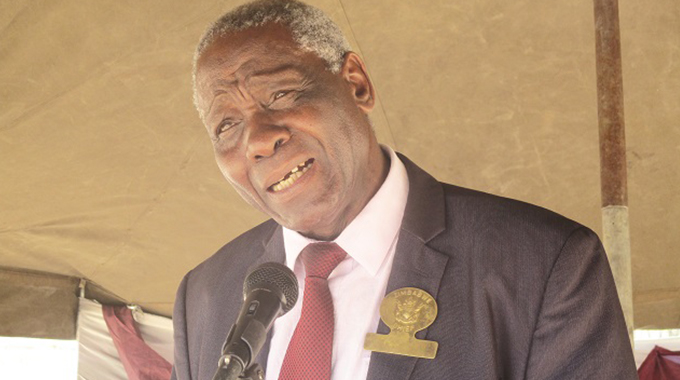
“Aligning the Traditional Leaders’ Act to the constitution is expected to give Chiefs enough powers to execute their mandate. Leadership institution permeates every facet of the governance architecture with village heads being the pedestal of the smallest unit of development structure which is the village. I am sure that everyone of us here is recognised by the village name on their identity cards thus demonstrating the importance of traditional governance and national identity. To this end, the council of chiefs has high expectations that certain critical areas are addressed among them the alignment of traditional leaders’ act to the constitution,” said president of the National Council of Chiefs, Chief Mtshane Khumalo.
Government is cognizant of traditional leaders’ role in preserving cultural norms and values as explained by the Minister of Local Government and Public Works, Hon Daniel Garwe.
“Our culture and traditions give us shared identity in our diversity. It is important, therefore, to develop strategies that Traditional leadership courts should play a role in curbing various social vices such as drug and substance abuse and child marriages among others. Our esteemed Chiefs, as the nation grapples with the adverse effects of climate change Traditional leaders need to participate fully in coming up with Disaster Risk reduction strategies that will make our communities more resilient and better prepared to respond effectively to disasters. The climate shocks have brought about severe droughts thus threatening food security. The Zunde RaMambo/Isiphala SeNkosi Programme remains one of the most important social safety nets that you must manage to ensure food security,” he explained.
Midlands Minister of State for Provincial Affairs and Devolution, Hon Owen Ncube weighed in, “I appeal to our traditional leadership here present to remain resolute in supporting the national agenda and uphold value systems of patriotism, loyalty, hard and honest work, commitment, and servant leadership as we gravitate towards the attainment of an Upper Middle-Income society by 2030 under the stewardship of His Excellency the President of the Republic of Zimbabwe and current SADC Chairman, Cde E.D. Mnangagwa.”
Traditional leaders are integral to the governance architecture of communities in Zimbabwe as outlined in the Constitution which gives them power to be custodians of culture and tradition while playing a pivotal role in the socio-economic development trajectory.

