



Story by Stanley James, Business Editor
Zimbabwe’s foreign currency inflows have increased by over 19 percent to more than US$11 billion, in a development expected to ensure the central bank maintains currency stability.
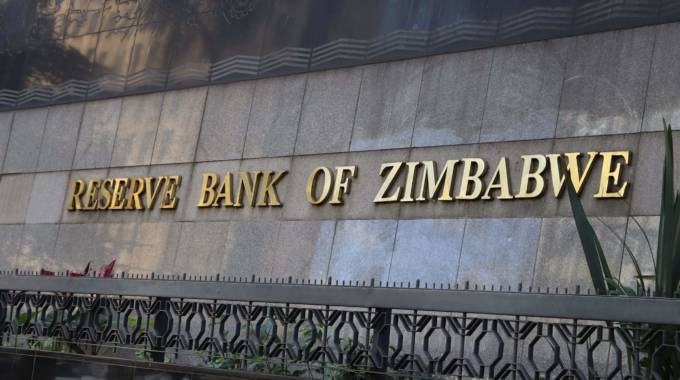
Information released by the Reserve Bank of Zimbabwe (RBZ) Monetary Policy Committee (MPC) this Tuesday indicate exports, diaspora remittances and Foreign Direct Investment dominated external earnings.
From a baseline of over US$9 billion in the first 10 months last year, the 19 percent increase has left monetary authorities upbeat about shielding the domestic currency from local and global shocks.
With central bank authorities indicating that the exchange rate and inflation have stabilised after the depreciation of the Zimbabwe Gold (ZiG) against the United States dollar in September, a tight monetary policy stance has been cited as key to further stability.
Bindura University of Science Education’s executive dean in the Faculty of Commerce Dr Zachary Tambudzai said, “The prospects for growth are there for all to see and this is a real indicator of the strides by the central bank authorities in ensuring that inflation stability is consolidated. Remember this is coming at a time when there were price instabilities in September but that has been contained and this is the right step for the economy,”
There are also expectations that external receipts might breach the US$12 billion mark by the end of the year.
Economist, Dr Nyasha Kaseke said, “Zimbabwe needs foreign currency receipts and that can only be sustained by taking into consideration incentives that are vital towards boosting productivity in key sectors and unlocking value to the economy, thereby defending the value of the ZiG.”
Takeaways from the MPC meeting include maintaining the bank policy at 35 percent. They also include a price discovery mechanism of the interbank foreign exchange market, the introduction of a productive sector facility, narrowing of exchange rate premiums and a drop of month-on-month inflation from over 37 percent in October to 11, 7 percent in November.

