



Story by Abigirl Tembo, Health Editor
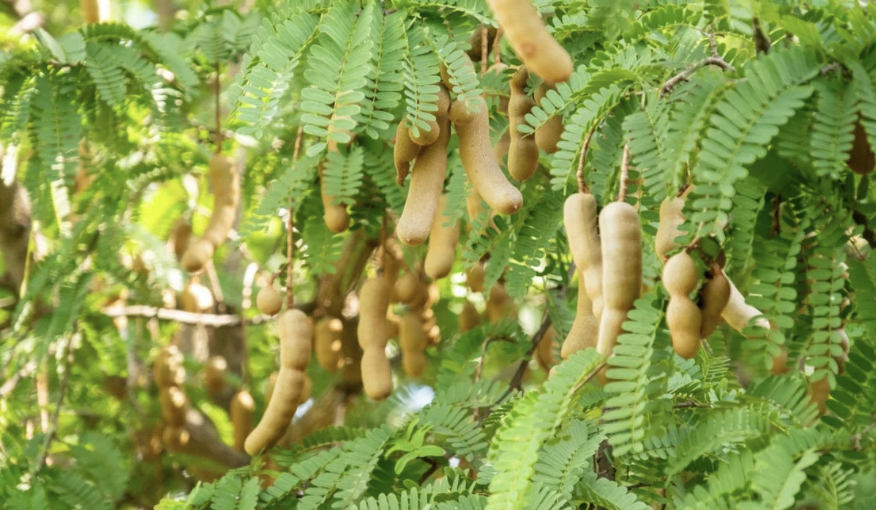
THE Food and Nutrition Council (FNC) is working with communities in Binga to fully utilise the Tamarind, an indigenous tree found in the area after research by several local universities revealed its micronutrient components.
Found along the Zambezi Valley in the heart of Binga, the Tamarind tree, locally known as Musika, has been an emblem of sustenance for ages.
With its deep roots in local culture, Tamarind has graced countless recipes passed down through generations, nurturing families with its nutritious bounty.
“We have been eating Musika for years and has helped us for generations. You can either eat it raw or cook porridge. We were taught by our elders on how to prepare the tamarind. It has a lot of nutrients, and you grow strong,” said an elderly community member.
In a collaborative effort, the Food and Nutrition Council, alongside government ministries and local universities, embarked on a transformative journey in 2020, empowering the people of Binga to unlock the potential of Tamarind.
The initiative aimed to unearth the micronutrient wealth of the Tamarind and harness its monetary value, opening up new avenues for economic empowerment.
“You recognise that Tamarind is found in the area of Binga and also in the area of Mutoko. In summary within the Zambezi Valley, and from our historic understanding, it has been one of the best plants for the people in Binga. We also found that they make use of Tamarind, and we also wanted to understand the signs around the Tamarind, especially appreciating the micronutrient composition of tamarind, and within that plant called tamarind or Musika in Shona.
“It is characterised by significant vitamin C which you know is important in the human body. You also have vitamin B and you also have iron and it’s also a significant contributor to energy requirements for the community. So we took Tamarind and subjected it to lab analysis which is the science behind micronutrient characterisation, which is to use science to understand what is in the tamarind that the body can extract and what motivated us is, when you look at countries such as India, Madagascar, you find Tamarind everywhere within the shop and we have also seen that tamarind is being exported to countries such as Botswana and South Africa from Binga and its moving very fast so we wanted to know what are the micronutrient benefits to the human body. So, we are also teaching the community on how to use the resources that are available within the area for them to realise some income as well,” said FNC Director General, Dr George Kembo.
Embracing the opportunity to cultivate and utilise Tamarind’s abundant benefits coupled with the acquisition of knowledge and skills, the community began making jam, juices and aromatic spices to sustain their families.
“We started these projects in 2020 we would collect it and prepare some jam for resale it has helped us because we are now able to buy some groceries and household staff from the proceeds,” said a community member.
Another said, “We make jam and juice from the tamarind for sale and since then we have been able to take care of our families.”
The Tamarind Project has thus become a beacon of hope, illuminating the path towards improved nutrition and economic prosperity of Binga.
The Food and Nutrition Council is also actively engaged in various other projects, including the Baobab and Madora Projects, all designed to elevate the nutritional status of communities.

