



Story by Memory Chamisa
THE decentralisation of renewable energy technologies has been cited as a vital cog in meeting energy demand in rural communities in a climate-friendly manner.
Through the rural energy livelihoods programme that targets communities in areas of agriculture, and ICTs in schools and hospitals, the government has ensured no place and no one is left behind in terms of access to energy.
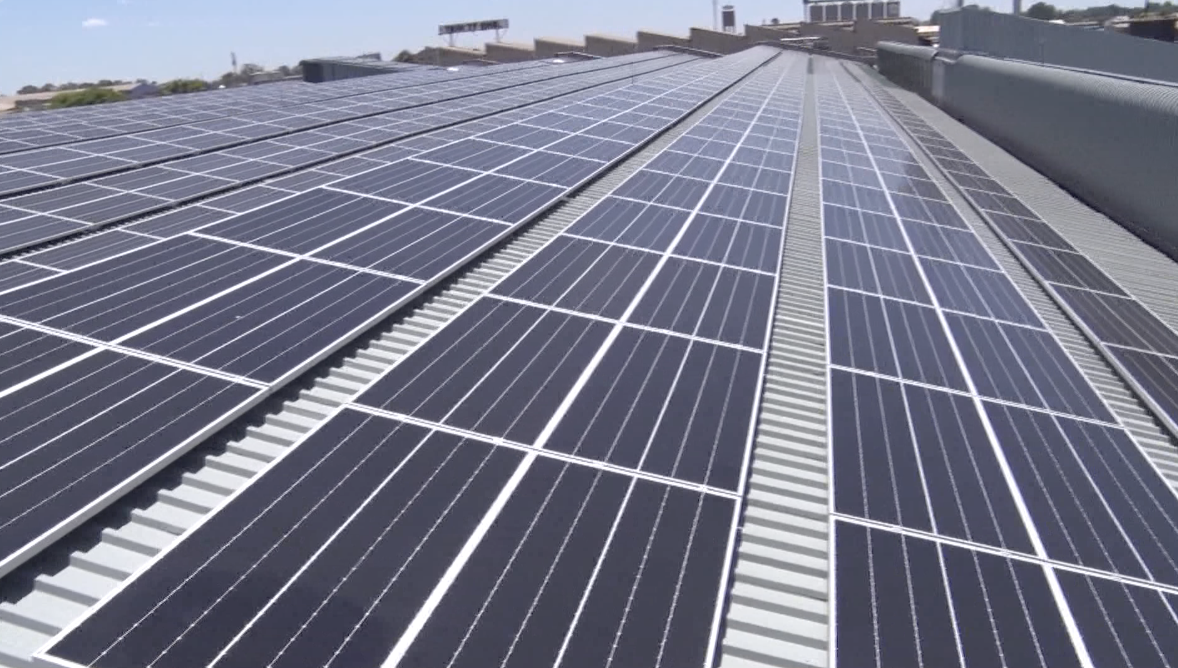
In line with the National Energy Policy (NEP) launched in October 2012, the government has been on a drive to connect rural communities and institutions to the national grid, while also promoting the use of solar energy.
The Permanent Secretary in the Ministry of Energy and Power Development, Engineer Gloria Magombo highlighted the significance of the programme in powering communities and creating employment.
“The livelihoods programme identifies the different requirements for energy, especially targeting rural communities which will then target the creation of value addition, jobs, and community programmes. It starts with irrigation, using renewables, coming up with end-use infrastructure which then targets agricultural processing and all other opportunities which can come depending on the community and the type of agricultural processes which they will be dealing with.
“So, we are part of that programme where we identify these and look for partners who can assist us as grant financing but also as commercial funding for projects which can self-sustain,” she said.
Zimbabwe, like other countries in the SADC region, has been seized with power supply deficit which has strained the national grid due to increased demand. The country has therefore turned to renewable energy for industry production, household use and agriculture to grow the economy and sustain livelihoods.

