



Story by Abigirl Tembo, Health Editor
ZIMBABWE is taking bold steps to tackle the triple burden of malnutrition as part of efforts to reduce stunting in children under the age of five.
The goal to reduce the triple burden of malnutrition, which encompasses under nutrition, micro-nutrient deficiencies and overweight or obesity, is being driven by a government collaborative effort with the Food and Nutrition Council as well as international partners.
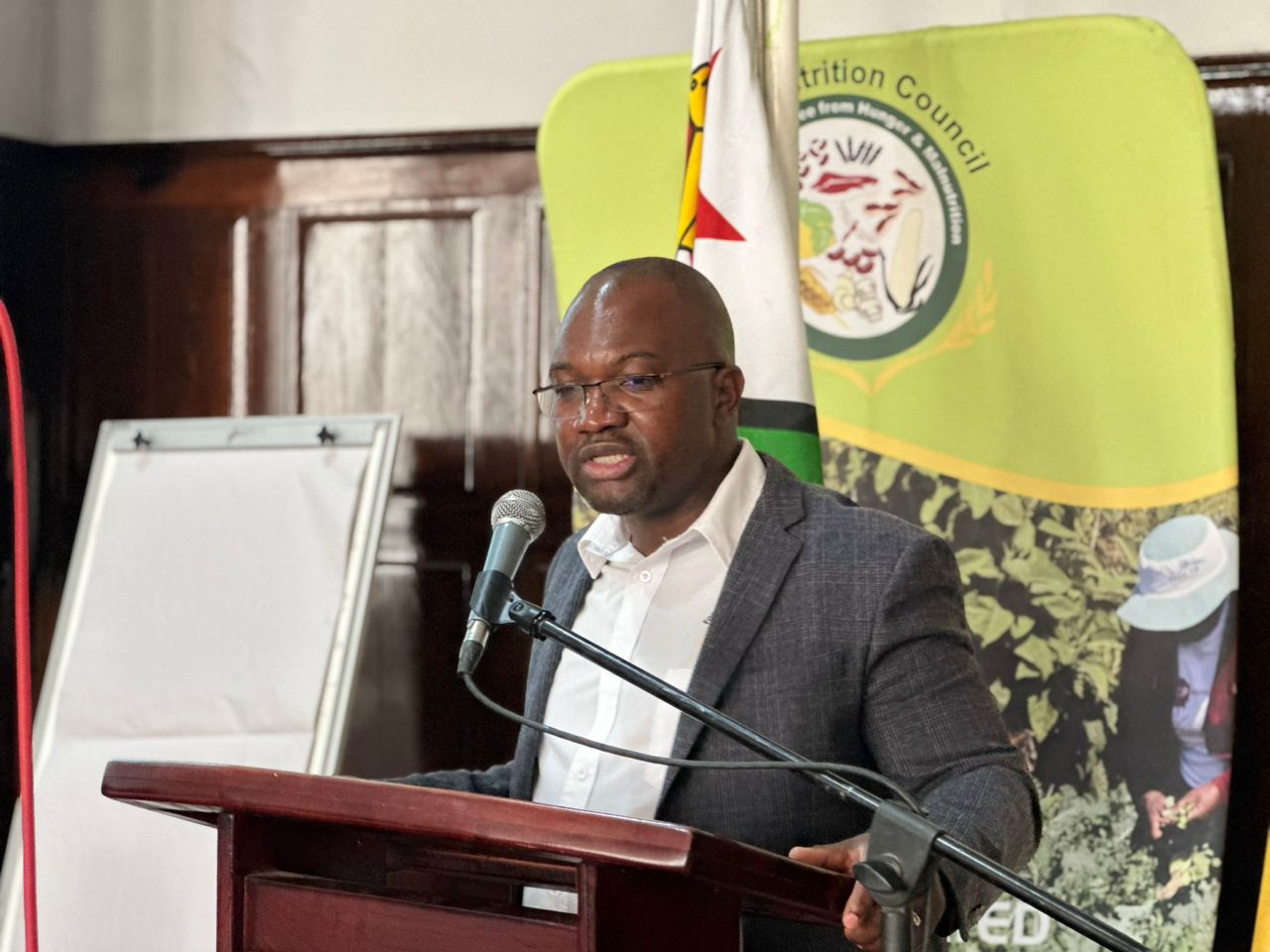
Speaking at a nutrition sensitive social protection meeting held in Bulawayo this Tuesday, various government ministries outlined their strategies to reduce stunting in children from over 23 percent to 17 by 2030.
“As a ministry, we do have our flagship program, which is the Food Deficit Mitigation Program and in addition, we also have the Sustainable Livelihood Program whereby we are building resilience in communities, whereby communities are engaged in the projects that we expect in the long term they will no longer need support from government or reduce their need for support from government and partners.
“And these projects, they are really nutrition sensitive in that we do have projects such as small livestock that is goats rearing, chicken rearing. We also have the school feeding programme, what government has done is they’ve made sure that they are providing the cereal and the schools have been having some projects, others they are keeping goats, chickens, vegetable gardens.
“So really, in terms of relish, there will be at least, where children are assured to have at least a hot meal a day at school. They also get the menu from the Ministry of Health and Child Care, the nutrition department, which provides the type of meals that they should provide for children,” said Deputy Director of Family and Social Protection – Ministry of Public Service, Labour and Social Welfare, Mr Totemirepi Tirivavi.
The Deputy Director of Nutrition Services Ministry of Health and Child Care, Mr Andrea Njovo also weighed in.
“When we say early childhood development ECD, we are looking at many things beyond just education. Health is in there, social protection is in there, and so many other aspects that need to be addressed. And one of the main reasons why we’re focusing on ECD is we know that a good experience in early childhood will definitely lead to better health outcomes as the child grows older.
“If you look at the whole package of early childhood development, there are components from the health sector where we’re looking at the immunizations, the identification and treatment of childhood illnesses, childhood NCDs, all being addressed as part of ensuring that when a child is growing, he or she is growing to the utmost in terms of their health and well-being.
“So our target, for the NDS1, is to reduce stunting to 17% from the 2019 baseline of 23.5%. Why? If we have a high prevalence of stunting, there are likely to be more cases of childhood mortality because children who are stunted are at higher risk of disease and mortality. So stunting also has been shown to reduce even adult earnings when a child is likely to perform badly in school, and this will contribute to poor performance in adulthood.
“But if we are able to reduce that, what it means is as a country we are reducing our budget in terms of the health bill, we are reducing our budget in terms of education because definitely when a child is performing well, they will sell through most likely in school. That will also reduce the burden in terms of education, and broadly, I think it will help us reach our target that we have set for ourselves in vision 2030”
Food and Nutrition Council Director General, Dr George Kembo, emphasised the importance of a collaborative effort to address malnutrition in Zimbabwe.
“The approach and the way we want to do things in the country as defined by the policy is to ensure that the different ministries contribute to one common objective, which is addressing under nutrition, over nutrition, and also addressing the issue of macronutrient deficiencies.
“So this is why when you look at why it is important to have the different ministries, you recognize that consumption issues, you have the Ministry of Agriculture addressing production and availability. And when you talk about the quality of food, you also have the industry and the food standards. When you talk about equitable distribution of wealth to ensure that it enables access, you also talk about the Ministry of Finance.
“When you talk about the treatment and specific intervention, you talk about the Ministry of Health. So when you look at that, the nutrition conceptual framework, it calls upon different players to contribute in different kinds and ways. When you sum up the efforts, you will have a nutrition outcome positive impact.”
UNICEF’s Nutrition Manager, Mrs Mara Nyawo, acknowledged Zimbabwe’s progress but noted areas in need of improvement.
“In Zimbabwe, there are lots of multi-sectoral interventions to combat all forms of malnutrition at all different levels and through different sectors. We work through five key systems which is the health system, the education system, the water and sanitation system, education system, and the social protection system for joined up programming to prevent all forms of malnutrition.
“I think probably what needs to be improved a little bit is really protecting the diets of the youngest children. We have 25 percent of children in zimbabwe living in severe child food poverty meaning that they typically only eat from two food groups on a daily basis and that’s really only getting worse this year which is where we’ve got a strong el nino which is causing drought and therefore further reducing the the variety of foods that are available for young child diets.
“So we do need to do more to protect child diets to improve the first foods that children receive as part of protecting them against malnutrition and also protecting their early childhood development and ensure they grow and develop to their to their full potential.”
The country’s strategy to combat malnutrition centres on Early Childhood Development, through providing nutritious meals under the ongoing school feeding programmes.

