



Story by Tamuka Charakupa, Mashonaland West Bureau Chief
IMPROVED communication between parents and children has emerged as a vital tool in addressing the growing number of young people engaging in social ills within communities.
Such was the case for Rujeko Phiri, whose name had become synonymous with late-night escapades and constant arguments with her mother and stepfather on the streets of Kingsdale in Norton.
Her rebellious behaviour began after the death of her father at the age of six, a traumatic event that strained her relationship with her mother, especially following the latter’s remarriage.
“I had a broken relationship with my mother after she re-married. She was always busy at work so I ended up in the company of wrong friends. That lack of a father figure in my life made me a different person as I started missing school, engaged in violent activities and some things which I cannot even mention,” she said.
However, at 21, she is a proud teenager celebrating her personal transformation, an achievement born not out of punishment, but from honest conversations.
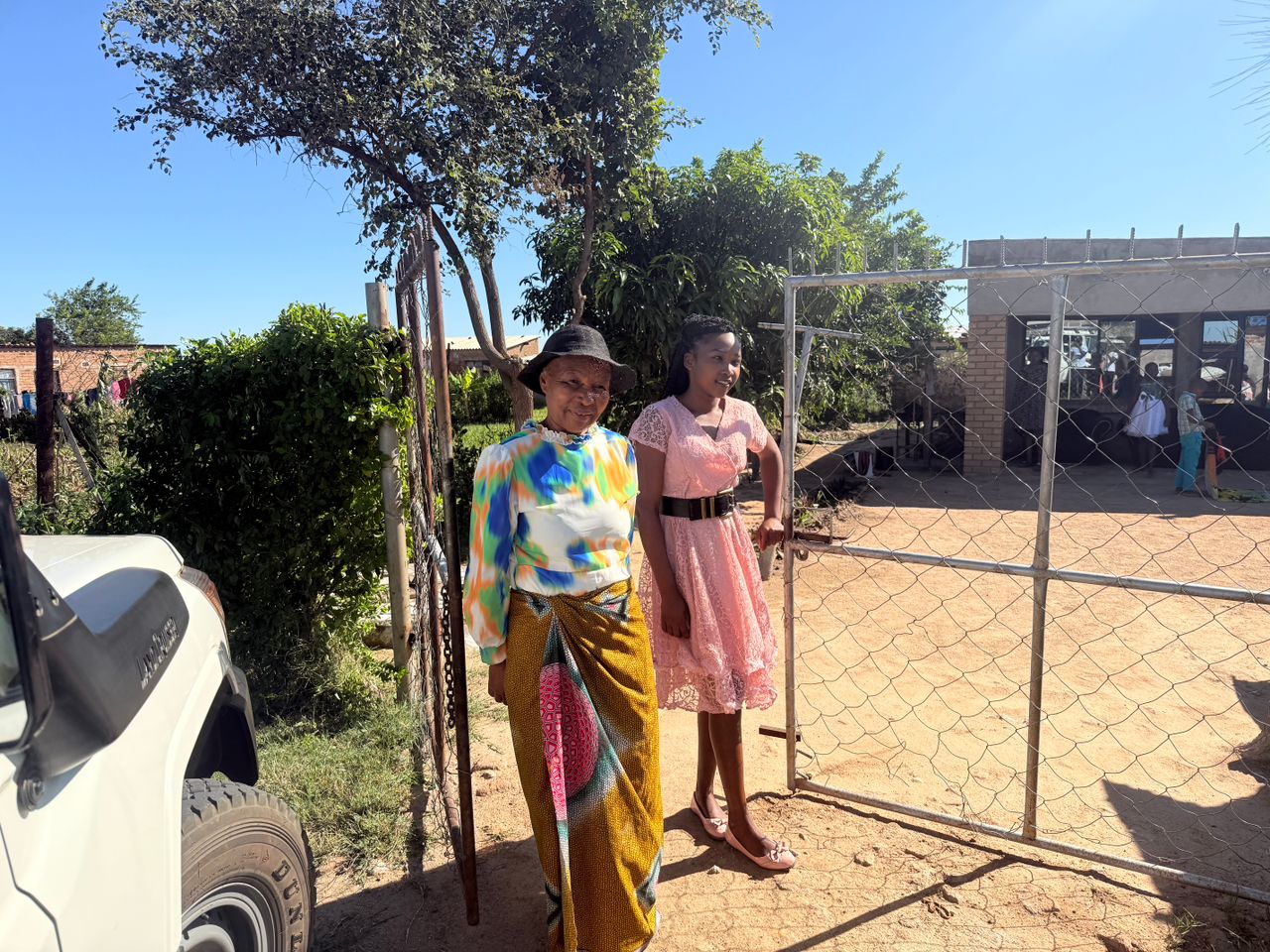
“I am proud of myself. I have changed. My mother is now my best friend, and I am now open to share with her my personal problems, goals and prospects. The Parent to Child programme taught us the power of communication and the effects of bottling up emotions. I have since returned to school and today I hold a Secretariat certificate and now helping at church,” beneficiary, Ms Rujeko Phiri said.
Rujeko’s character transformation is one of the success stories of the ‘Parent to Child Communication’ programme being implemented by the National Aids Council (NAC), an initiative introduced to restore fragmented family communication.
“As the National Aids Council, we have been implementing this Parent to Child Communication programme having realised that there was an existing gap in our Norton community. We observed that some of the cases in which our children end up entangled in drugs, prostitution, drug and substance abuse are because of lack of communication or bottled emotions which children never express to their children. Through this programme, we are reducing reported cases of gender-based violence, child abuse and HIV/AIDS infections,” Chegutu District AIDS Coordinator (NAC), Mrs Virginia Tausa said.
Grandmother to Rujeko, Gogo Daisy Mutsigwa, now has renewed hope, upbeat nothing will stand in the way of her reformed granddaughter.
“Every day Rujeko tells me that she wants to make us proud. This programme has not only mended her relationship with her mother but mine as well with my daughter (Rutendo’s mother). Every wrong move Rutendo made ended up being my issue as she always sought refuge at my house,” Rujeko’s Grandmother, Gogo Daisy Mutsigwa said.
Rujeko’s journey from rebellion to reconciliation was guided by simple, yet profound, conversations, a lesson to parents on the need to create open communication platforms.

