



Story by Tichaona Kurewa
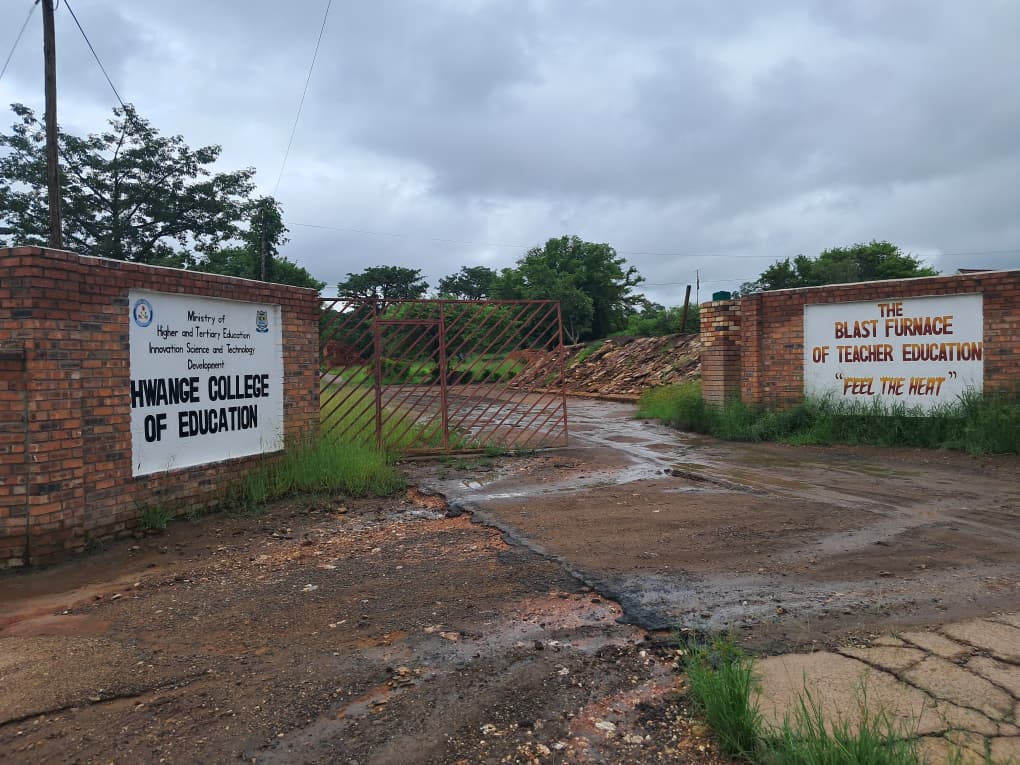
HWANGE College of Education is strengthening indigenous language teaching and early learning across Matabeleland North Province, addressing long-standing gaps in teacher training while promoting the preservation of local languages such as Nambya and Tonga.
Established in 2019, the government institution was set up to close a historic shortage of trained teachers in Matabeleland North, which previously had no teachers’ college. Since its establishment, the college has emerged as a key pillar in advancing language inclusion within the education system.
Education authorities say the college has significantly improved the teaching and learning of indigenous languages in local schools, particularly at primary level.
“The coming of Hwange College of Education has had a positive impact on our education system, especially considering the local languages like Nambya and Tonga, which we are offering in most of our Hwange schools,” said Hwange District Schools Inspector, Mr Walter Moyo.
“Their training of Nambya teachers and Tonga teachers has assisted in uplifting the teaching of Nambya and Tonga in our schools,” he added.
Mr Moyo said communities have welcomed the development, noting that learners are now receiving instruction in their mother tongues, which has contributed to improved learning outcomes and cultural continuity.
“We are happy that the teachers they are producing have raised the teaching and learning of Nambya, and it has enhanced the development of the language, which the community is also happy to receive,” he said.
However, he highlighted that gaps remain at secondary school level, where trained indigenous language teachers are still scarce.
“We are expecting that the Hillside Teachers College will do the same and recruit secondary students who will be trained to come and teach our secondary students in Nambya and Tonga. We expect this to happen so soon because currently we do not have secondary-trained Nambya teachers,” Mr Moyo said.
Hwange College of Education Principal, Mr Royal Ntini, said most graduates are being deployed within the province, helping to address critical staffing shortages.
“Most of our graduates have been deployed around Hwange, Binga, and Lupane. They have filled a gap that existed before,” Mr Ntini said.
“While the demand for teachers remains high, our students are now able to teach both Tonga and Nambya, which was the missing link in the past,” he added.
Mr Ntini also revealed that the college plans to introduce Early Childhood Development (ECD) training once infrastructure permits.
“We are also planning to introduce ECD training once facilities allow, although our graduates are already capable of teaching at that level,” he said.
Traditional leaders and cultural organisations have praised the college for restoring pride in indigenous languages and strengthening cultural identity.
“We clap hands for Hwange College of Education for preserving our roots! Teaching our Indigenous language is teaching our identity, our values, and our future,” said Chief Nekatambe, Mr Charles Ncube.
“People who know their language know who they are. Forward with Indigenous knowledge, forward,” he added.
Nambya Cultural Association chairperson, Mr Gabriel Shoko, echoed similar sentiments.
“We applaud Hwange College of Education for restoring pride in the Nambya language. This is a victory for our culture, our children, and our heritage,” he said.
To date, Hwange College of Education has trained more than 300 primary school teachers, with nearly 75 percent fluent in indigenous languages such as Nambya and Tonga, significantly strengthening culturally responsive education in Matabeleland North and surrounding districts.

