



Story by Stanley James
THE Government has repatriated more than 20 000 Zimbabweans from South Africa since the launch of the exercise in May, with thousands more returning independently, Cabinet has heard.
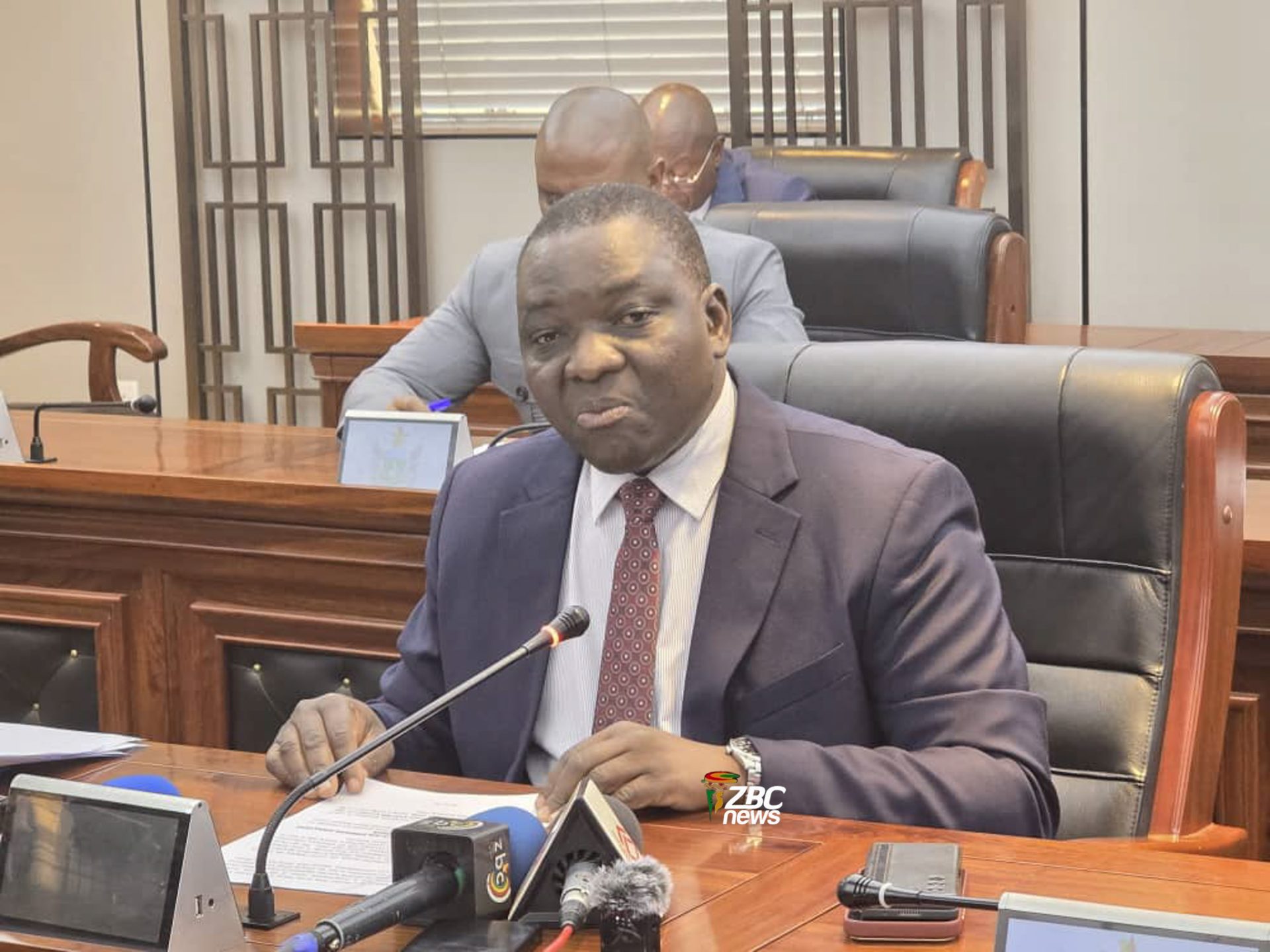
Presenting the post-Cabinet briefing in Harare on Tuesday, the Minister of Information, Publicity and Broadcasting Services, Dr Zhemu Soda said the repatriation and reintegration programme continues under a coordinated whole-of-government approach.
“The nation is advised that a Whole of Government and Whole of Society Approach has been adopted for the repatriation and reintegration exercise as well as in-country coordination programmes to facilitate safe, orderly and dignified movement of Zimbabweans from the diaspora. To date, approximately 21 291 Zimbabwean nationals have been repatriated through Government-assisted arrangements since the commencement of the exercise on May 28, 2026, while an estimated 56 832 returned independently through self-repatriation mechanisms during the same period,” said Dr Soda.
Cabinet also received an update on the resumption of Air Zimbabwe’s Harare-London route, with operations scheduled to restart by the end of July.
“The nation is advised that the airline will resume operations by the end of July 2026 and will utilise a leased Airbus A330-300 aircraft from Plus Ultra in Spain with a combined 302 seats, having a configuration of 30 business class and 272 economy seats. The airline will initially operate three weekly frequencies between Harare and London on Wednesdays, Fridays and Sundays. This positive outcome demonstrates the utility of His Excellency the President’s engagement and re-engagement policy and is a testament to continued commitment to positioning Zimbabwe as a competitive destination,” he said.
Cabinet also approved the Zimbabwe Gastronomy Tourism Strategy (2026–2030), which seeks to position the country as a regional culinary tourism destination while preserving its food heritage.
“The objectives of the Zimbabwe Gastronomy Tourism Strategy (2026–2030) are to develop contemporary culinary expertise and innovation that positions Zimbabwe as a regional hub for gastronomy tourism; establish gastronomy tourism as a catalyst for inclusive growth by strengthening tourism value chains; design and diversify gastronomy tourism experiences that deliver Zimbabwe authentic immersive encounters; and preserve and promote Zimbabwe’s cultural food heritage as a key driver of tourism growth,” said Dr Soda.
Other key decisions from Tuesday’s Cabinet meeting included the hosting of the inaugural National Micro, Small and Medium Enterprises and Cooperatives Indaba, approval of the Principles of the National Biotechnology Authority, and an update on the performance of the agricultural sector.

