



Story by Wellington Makonese
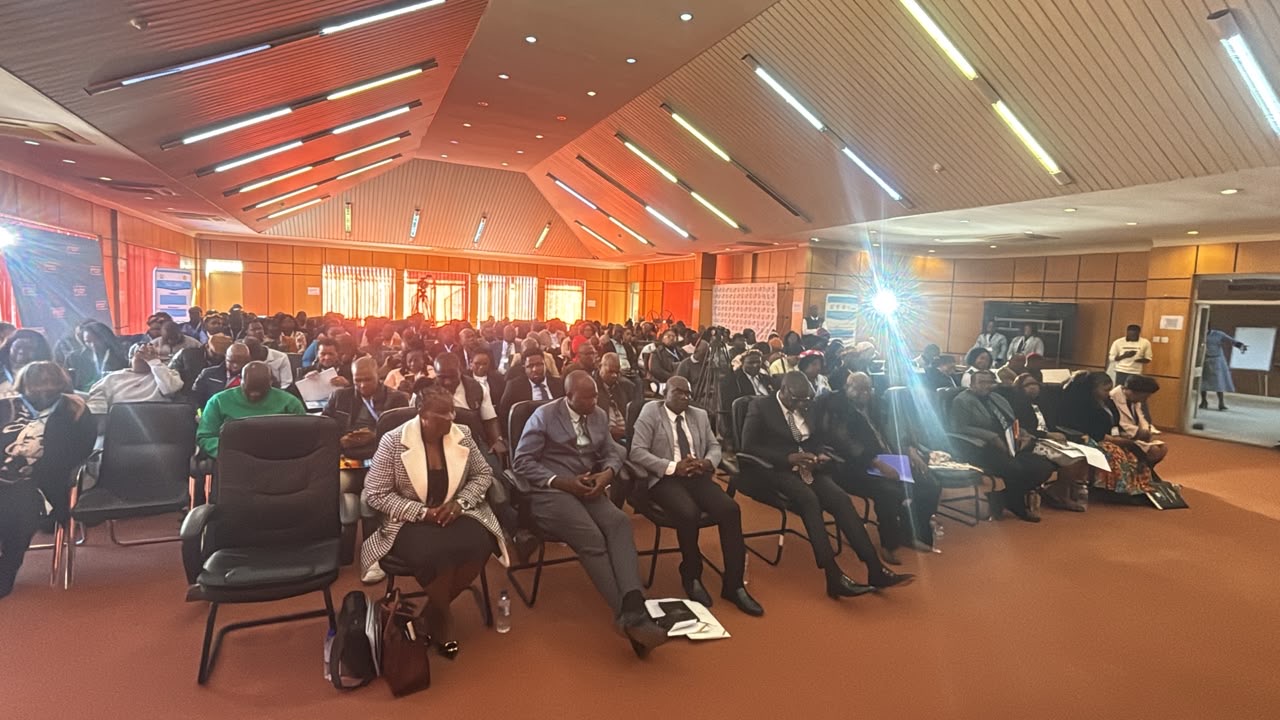
EXPERTS, academics and policymakers from across Africa have converged in Gweru for the five-day African Languages Association of Southern Africa (ALASA) Conference, with delegates seeking practical solutions to preserve indigenous languages and position them as catalysts for inclusive development.
The conference comes at a time when African languages, despite being central to the continent’s identity, culture and heritage, continue to face challenges, including limited use in higher education and scientific research, as well as inadequate representation in the digital space.
Delegates from Zimbabwe, Kenya, Namibia, the Democratic Republic of Congo and other SADC countries are exploring policy, education and technology-driven strategies to strengthen indigenous languages and unlock their contribution to sustainable development.
Vice Chancellor of Midlands State University, Professor Muzvidziwa, said Zimbabwe has laid a strong foundation for linguistic inclusion.
“Zimbabwe has demonstrated its commitment to linguistic inclusion by recognising all 16 indigenous languages in the Constitution. That milestone places the country among the leaders in promoting language rights, but the next step is ensuring these languages are fully utilised in education, research, innovation and national development.”
ALASA Board Chairperson, Dr Mantoa Molete, said Africa’s future depends on embracing its linguistic and cultural identity.
“The future of Africa depends on people who embrace their identity. When we value our languages, we preserve our knowledge systems, strengthen our cultures and empower future generations to contribute confidently to the continent’s development.”
Chairperson of the Pan South African Language Board, Professor Loli Makhubu-Badenhorst, underscored the importance of regional cooperation in promoting multilingualism.
“This is a befitting event that promotes how we interact as a people. By working together, we can promote multilingualism, share research and ensure our languages remain relevant in education and governance.”
Government says integrating indigenous languages into education, governance, innovation and technology is essential to expanding access to knowledge and promoting inclusive national development.
Midlands Minister of State for Provincial Affairs and Devolution, Honourable Owen Ncube, reaffirmed the Second Republic’s commitment to language inclusion.
“The Second Republic remains committed to ensuring that no language and no community is left behind. Promoting indigenous languages is central to inclusive development, preserving our heritage and creating equal opportunities for all Zimbabweans.”
The conference is expected to produce recommendations aimed at strengthening language policies, enhancing regional collaboration and accelerating the use of indigenous languages as instruments of sustainable development across Africa.

