



GOVERNMENT has registered 15 000 skilled Zimbabweans who recently returned home, mainly from South Africa, creating a databank aimed at supporting local industries and the implementation of the Global Skills Partnership Programme.
The development comes as Zimbabwe rolls out the Global Skills Partnership Programme, approved by Cabinet last year, to facilitate the safe migration of skilled citizens to countries experiencing labour shortages.
The recent unrest in South Africa has seen thousands of skilled Zimbabweans return home, with Government saying their expertise will contribute towards achieving targets under the National Development Strategy 2 (NDS2), which is guiding Zimbabwe’s transition to an upper-middle-income economy by 2030.
An inter-ministerial workshop on the implementation of the programme began in Masvingo on Wednesday, bringing together five ministries involved in its execution under a Whole-of-Government approach. These are the Ministries of Skills Audit and Development; Higher and Tertiary Education, Innovation, Science and Technology Development; Public Service, Labour and Social Welfare; Foreign Affairs and International Trade; and Home Affairs and Cultural Heritage.
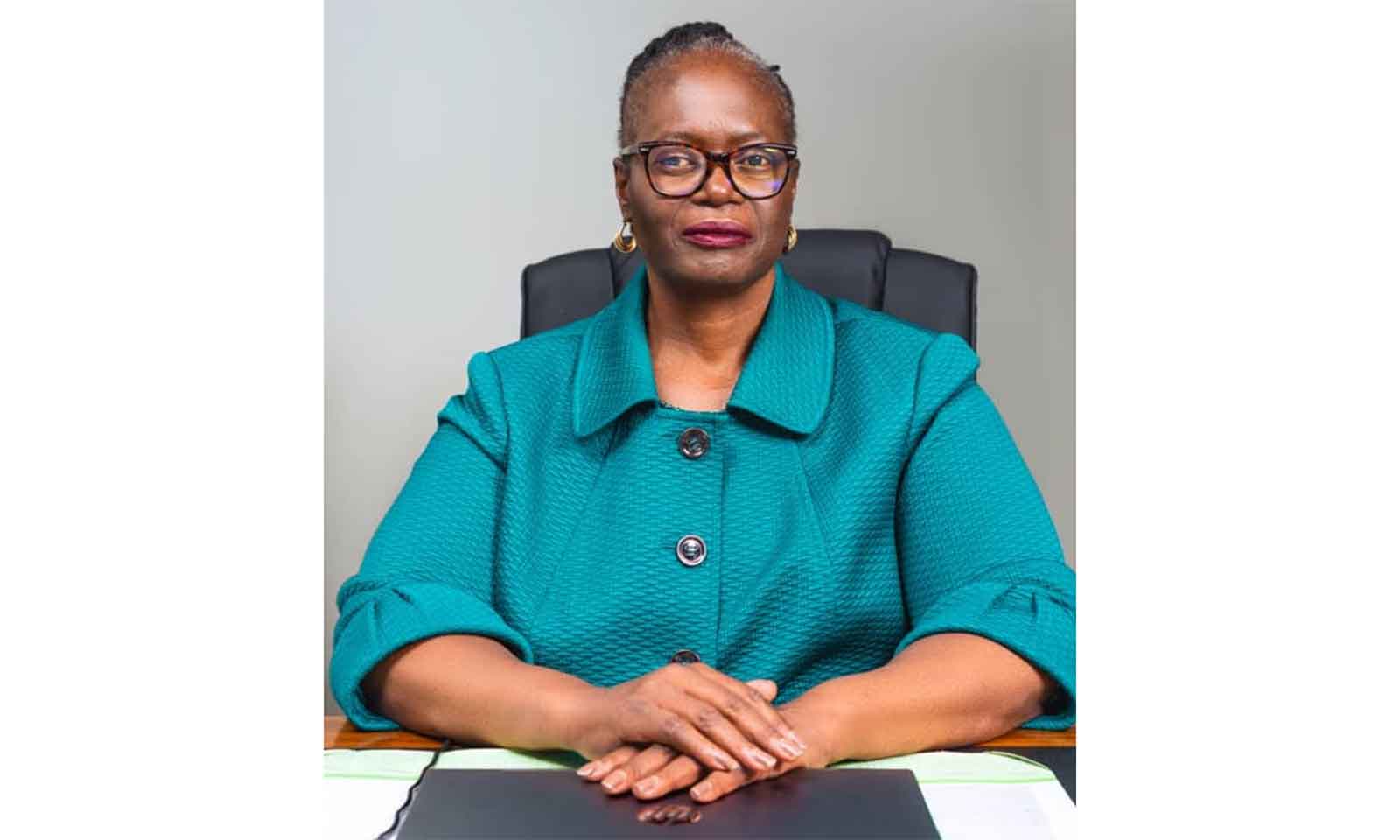
Permanent Secretary for the Ministry of Skills Audit and Development, Ambassador Rudo Chitiga said recent developments in South Africa had influenced the implementation of the programme.
“Recent events in South Africa have had an effect on our programme (Global Skills Partnership). I was in Beitbridge yesterday where I met some of our people who were returning home and all they needed was safe migration,” she said.
“We as the Government will know exactly where we have placed our people and for how long, fully knowing that they are protected.”
Ambassador Chitiga said Government has so far created a databank of 15 000 registered skilled returnees.
“We have so far created a databank with 15 000 registered skilled returnees and some of them have skills that are required in our industries locally such as artisans, welders, bricklayers and technicians and these will be absorbed because there is space for them locally.”
She said the databank also includes skilled workers in agriculture, particularly those with expertise in grape harvesting, as well as construction workers, including some who helped build football stadiums ahead of the 2010 FIFA World Cup in South Africa.
According to Ambassador Chitiga, skilled returnees who are not immediately absorbed into the local economy will be considered for opportunities under the Global Skills Partnership Programme.
“Right now, South Africa already has a skills gap and under this programme (Global Skills Partnership) we will facilitate safe migration to South Africa for a specific group of people who possess skills that are required there.”
“So, we are negotiating with South Africa for safe migration of our skilled people who fall into specific categories.”
“Some of our people were actually asking us at the border where this programme was all along because it allows safe migration for our people to those countries that have skills’ gaps,” said Ambassador Chitiga.
The workshop is expected to define the responsibilities of each ministry involved in implementing the programme.
Under the arrangement, the Ministry of Skills Audit and Development identifies available skills, the Ministry of Home Affairs and Cultural Heritage carries out background checks, the Ministry of Higher and Tertiary Education, Innovation, Science and Technology Development verifies qualifications, the Ministry of Foreign Affairs and International Trade negotiates agreements with countries facing skills shortages, while the Ministry of Public Service, Labour and Social Welfare ensures labour laws in destination countries protect the rights of Zimbabwean workers.- ZBC/HERALD

