



Story by Yolanda Moyo
THE Government is intensifying efforts to fast-track the Batoka Gorge Hydro-Electric Scheme, focusing on financing, optimal use of local resources, and ensuring tangible benefits for communities in the surrounding areas.
Following a high-level meeting in Victoria Falls last December, Zimbabwe and Zambia are set to jointly contribute US$220 million in equity towards the project’s construction.
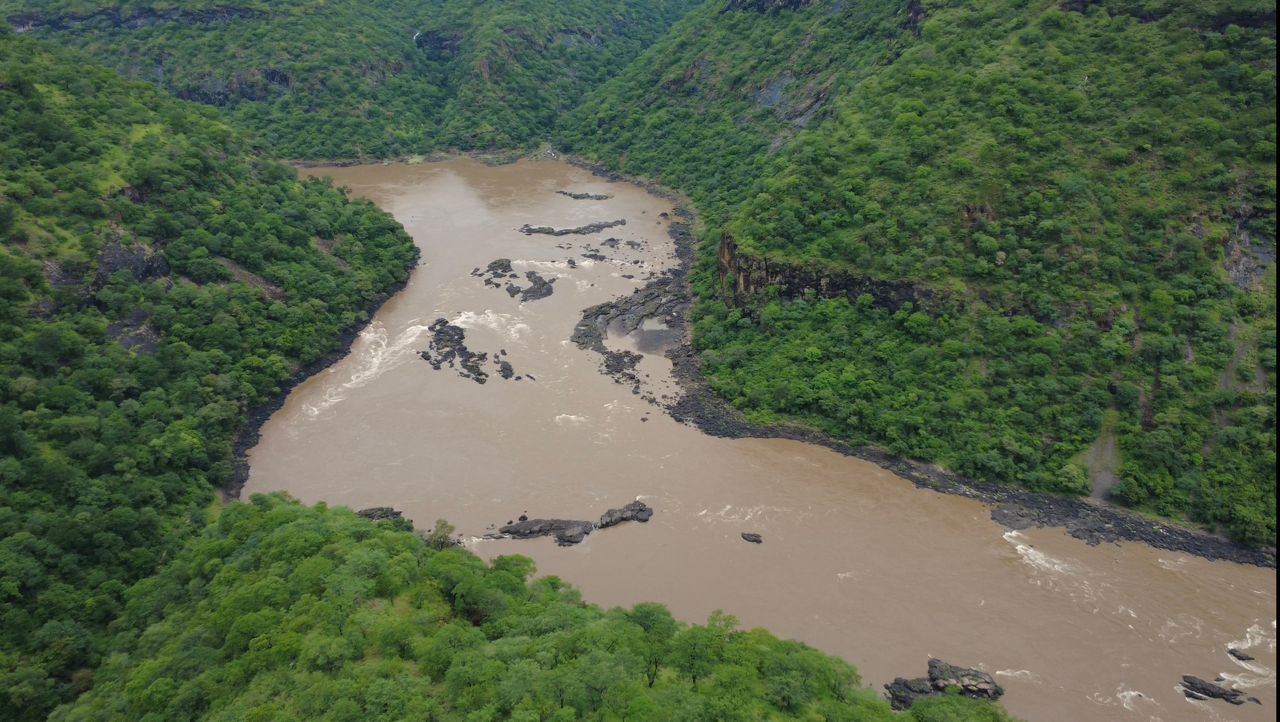
This Wednesday, the Minister of Energy and Power Development, Honourable July Moyo, who also serves as Co-Chairperson of the Zambezi River Authority Council of Ministers, toured the proposed dam wall construction site to assess progress and implementation plans.
Minister Moyo described the project as a strategic opportunity for the two countries to unlock maximum value, citing the availability of construction materials and technical expertise within Zimbabwe and Zambia.
“The two governments have put US$440 million, equally distributed between Zambia and Zimbabwe. As the current Chairperson of the Zambezi River Authority(ZRA), I felt it was important to come and assess the Batoka Gorge site where this power station will be built.
“We have agreed that ZRA must urgently prepare a position paper for our Ministers of Finance, who will in turn advise our Presidents on how to mobilise additional funding beyond the initial US$440 million. What is encouraging is that there are viable models that allow us to use locally produced cement, steel, aggregates, and skills from both countries. If funding is sourced externally without such considerations, contractors bring their own materials and labour, yet we have these resources locally. That is why we are pushing for immediate action, with a progress report expected before the Bi-National Commission by March 31,” he said.
Minister Moyo elaborated on the measures the government has taken to ensure the project is on course.
“The strongest signal we have already sent is committing our own money. Beyond that, governments can develop access roads, housing, and basic infrastructure so that local or international investors do not have to start from scratch. Once investors see roads, townships and services taking shape, they know we are serious about developing Batoka,” he said.
He also reiterated that the President’s mantra of leaving no one and no place behind will be fulfilled.
“The communities here will benefit directly from road construction, infrastructure development and employment opportunities. We are determined not to repeat mistakes made elsewhere. Through ZRA, we are already addressing past shortcomings by ensuring communities in Hwange, Binga, and surrounding districts benefit meaningfully from this project. This aligns with our President’s vision of inclusive development,” he said.
Project engineers say the final dam design was deliberately optimised to strike a balance between power generation capacity, environmental sustainability and financial feasibility.
“While a higher dam could generate more power, the environmental and heritage impacts would be significant. The chosen design ensures technical and commercial viability without affecting the Victoria Falls curtain, the natural beauty of the gorges, or the outstanding universal value of the World Heritage Site,” Project Manager, Engineer Patrick Sipatela said.
As Zimbabwe and Zambia strengthen cooperation on shared water and energy resources, the Batoka Gorge Hydro-Electric Scheme reflects renewed determination to turn policy commitments into tangible infrastructure, powering industries, households and ensuring long-term regional growth.

