



Story by Wellington Makonese
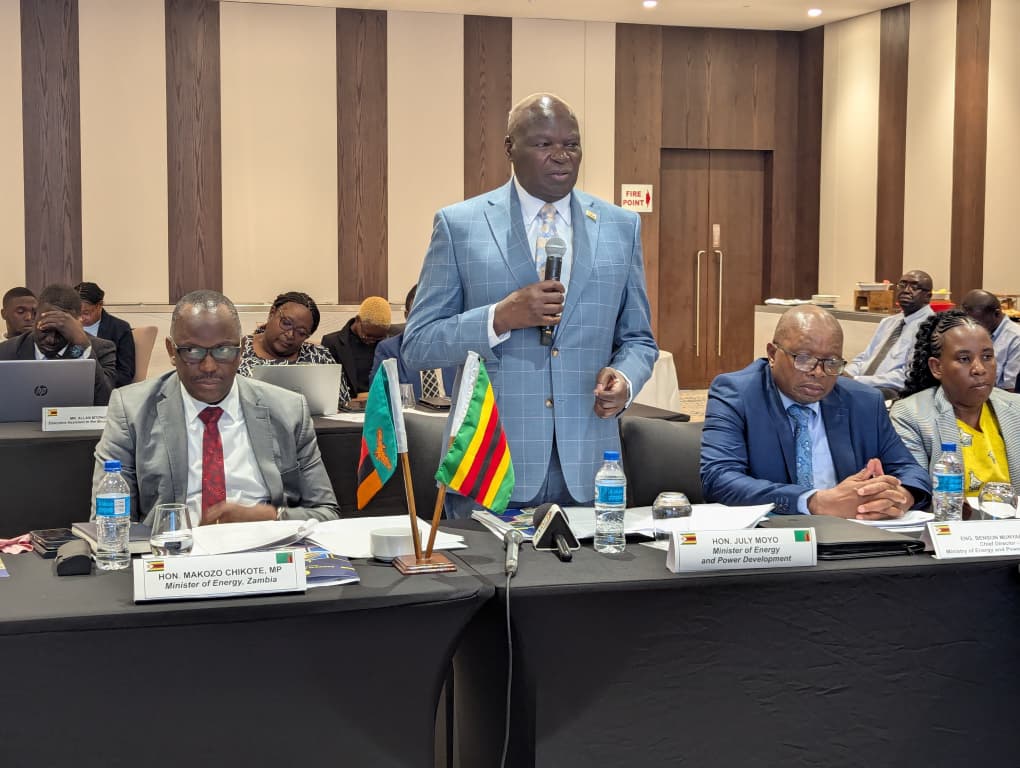
ZIMBABWE and Zambia are deepening cooperation on energy, with the two nations meeting in Harare this Monday to explore sustainable use of water from Kariba Dam, expanding electricity generation and strengthening regional energy security.
The focus is on advancing energy solutions that support industrial growth, mining, agriculture, and value addition.
At the centre of discussions that involve the two countries’ energy ministries, power utility companies ZESA Holdings and ZESCO, is the Kariba Dam, a critical shared resource that generates a significant portion of both countries’ electricity.
“Zimbabwe and Zambia face similar challenges as our sectors grow, especially mining and agriculture. To achieve value addition, we require more energy, including fossil fuels. The MOU on private-sector development of the Zimbabwe-Zambia pipeline must now translate into action. We need to fast-track operationalisation and efficient utilisation of gas and fuel,” the Minister of Energy and Power Development, Honourable July Moyo said.
The pipeline project, part of a broader Memorandum of Understanding, is critical as both nations look to power mining operations, agro-industries, and other energy-intensive sectors.
“Because of climate change, we must use our water sustainably and climate-proof our energy sector. The SADC power pool is not just a gateway, it is an opportunity to set a regional example. Over 600 million people in our region remain unconnected to electricity. Energy is the connector if we are to achieve Vision 2030,” Zambia’s Minister of Energy, Honourable Makozo Chikote noted.
Other key agenda items include water allocation from Kariba Dam for 2026, balancing hydropower generation with climate and environmental considerations, operationalisation of the Zimbabwe-Zambia fuel pipeline, designed to enhance energy security and support industrial growth and assessment of current power generation capacity and future infrastructure needs.
The talks come at a time there is growing regional energy demand and climate pressures, highlighting the importance of strategic planning, private sector involvement, and sustainable use of natural resources.
As Zimbabwe and Zambia continue these discussions, focus remains on ensuring energy is not just a utility but a driver of regional industrialisation, economic growth, and social development.
The countries are also bonded under the SADC power pool, which integrates electricity grids across Southern Africa, allowing countries to share surplus power and stabilise regional supply.
For Zimbabwe and Zambia, this creates opportunities to both export excess energy and attract investment in energy infrastructure.

