



Story by Abigirl Tembo, Health Editor
ZIMBABWE’S ongoing quest to achieve universal health coverage has seen the establishment of modern health facilities that are redefining access to healthcare in rural areas.
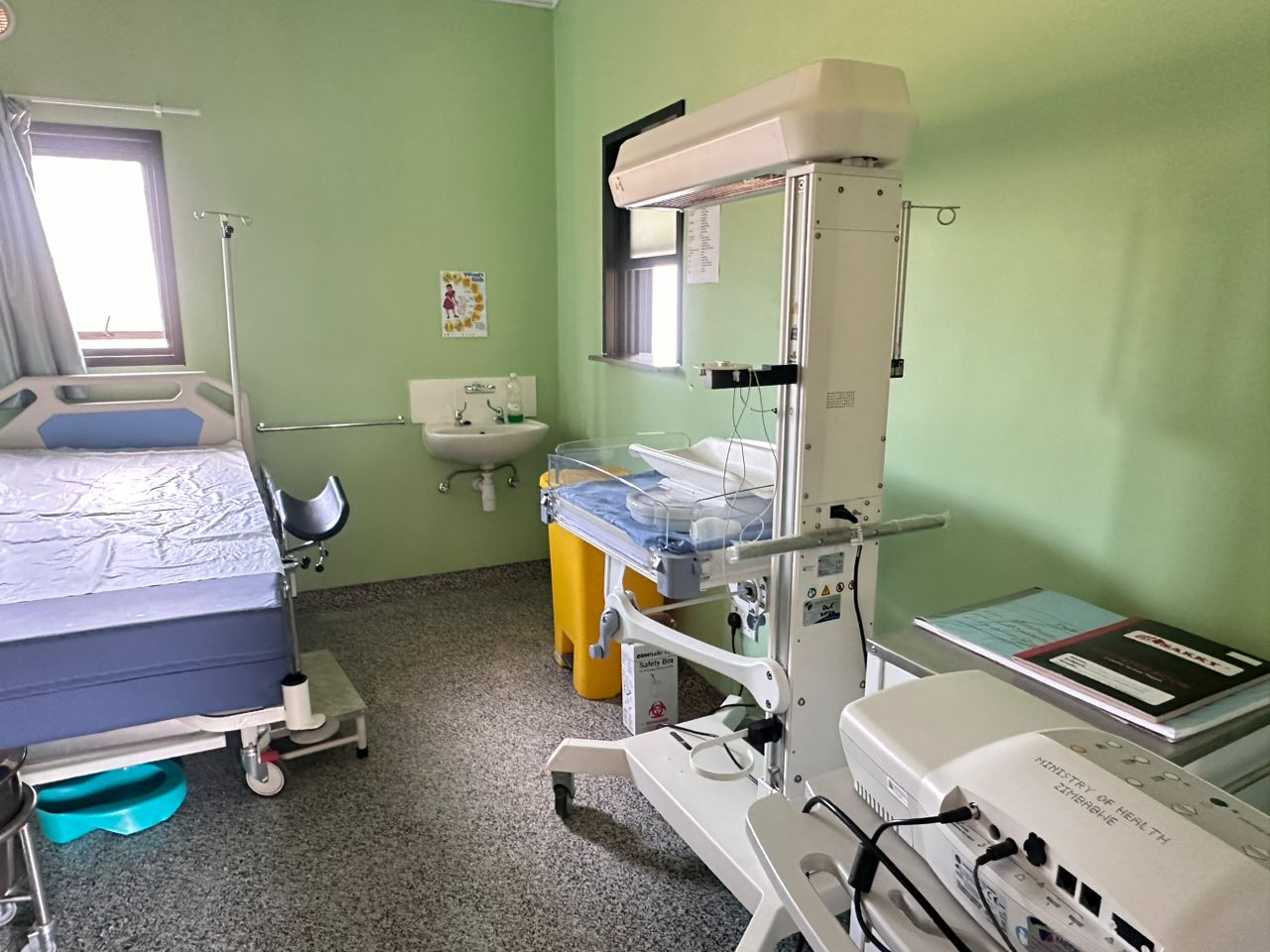
Runyararo Health Centre in Chimanimani is a symbol of renewal and resilience.
Just a year since its opening, this modern facility has transformed healthcare access for families who once had to walk many kilometres for treatment.
In line with Vision 2030 and the goal of universal health coverage, Zimbabwe’s investment in modern rural health infrastructure is transforming service delivery and bridging the rural-urban divide.
Facilities such as Runyararo Health Centre in Chimanimani and Mataga Health Centre in Mberengwa now offer the same quality of care found at urban centres like Stoneridge in Harare and Cowdray Park in Bulawayo, bringing essential services closer to communities that once travelled long distances for treatment.
“My back has been troubling me for some time, so I came here and got some medication and also had some physiotherapy done, and all this is happening right at my doorstep. We were resettled here after our homes were destroyed by Cyclone Idai, and the coming in of this hospital has really assisted us because everything is available here, and we don’t need to travel to Zimunya or Mutare. The good thing about this hospital is that I don’t have to walk a long distance or waste money on a taxi or bus. I just walk here for my treatment, which is really good and beneficial to us and the community,” a beneficiary said.
The government medical officer stationed at the health centre explains some of the services they are offering.
The construction of these facilities is part of a two-phased national health infrastructure programme under the Second Republic aimed at standardising healthcare across Zimbabwe.
Phase 1, completed at a cost of US$11.2 million, fully funded by the government, delivered Stoneridge Health Centre in Harare, Cowdray Park in Bulawayo, Mataga in Mberengwa, and Runyararo in Chimanimani.
Building on that success, Phase 2, valued at US$12.5 million and also fully government-funded, is rolling out modern, solar-powered and digitally equipped facilities in Manhize in Mvuma, Rudhanda in Zaka, Paradza in Chivi South and Lady Stanley in Bulilima, a clear demonstration of the Second Republic’s commitment to decentralising healthcare and ensuring equitable access for all.
From theatre to orthopaedic services as well as maternal, paediatric and physiotherapy services, access to quality healthcare is no longer a distant dream but a daily reality.

