



Story by Peter Chivhima
EARLY Childhood Development (ECD) is receiving renewed attention ahead of the 2026 national budget, with growing calls for increased resource allocation to strengthen the sub-sector.
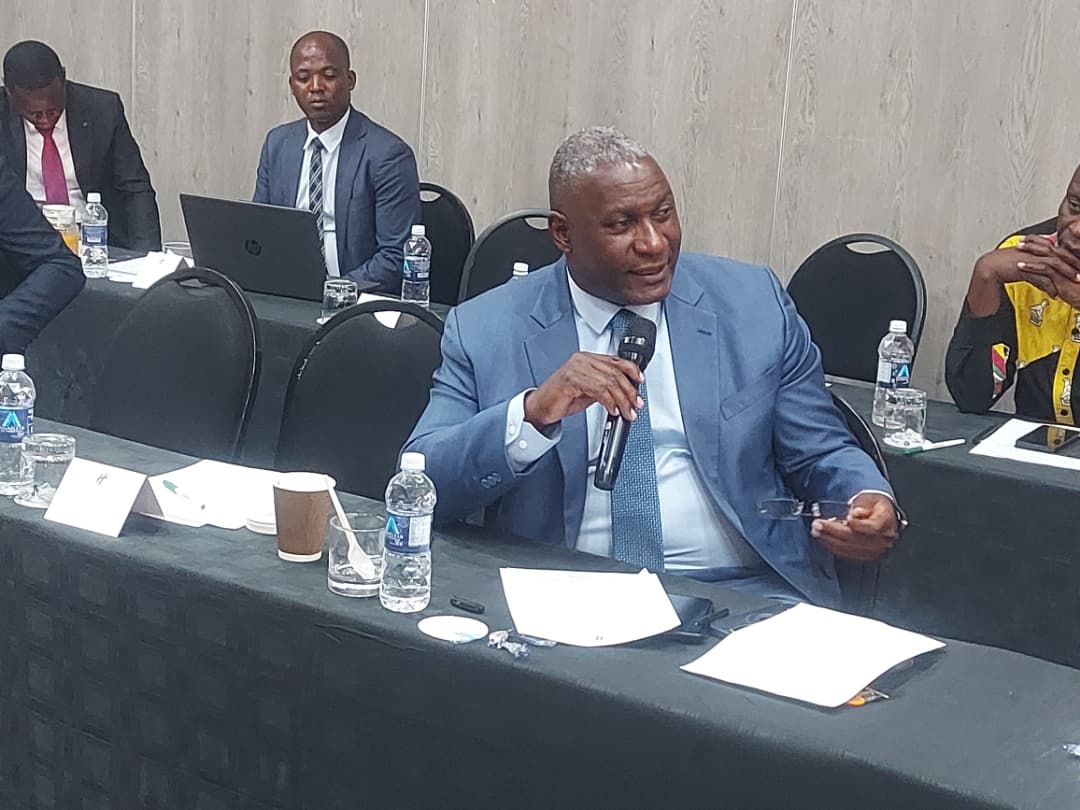
As part of efforts to ensure inclusive and accessible learning for all children, regardless of ability or background, the Parliamentary Portfolio Committee on Budget, Finance and Economic Development, together with the Portfolio Committee on Primary and Secondary Education, convened a stakeholder engagement meeting in Harare.
The meeting brought together education experts, civil society actors, and development partners to map out strategies to boost inclusivity in ECD, particularly in underserved communities.
Stakeholders emphasised that strengthening ECD is critical for laying a solid foundation for lifelong learning, reducing inequality, and supporting Zimbabwe’s long-term socio-economic development.
The discussions centred on bridging resource gaps and advocating for increased budget allocations in the 2026 national budget to fully support inclusive education within the infant education sector.
“What I propose is to protect core recurrent costs by ensuring timely payment of BEAM and provision of learning materials, protecting approximately 70 % of the current MoPSE recurrent envelope. Ring-fence ECD by introducing a dedicated ECD programme with an initial protected allocation proposed at 8–12 % of the MoPSE programme budget for 2026, costed to cover teacher training, ECD kits, and community ECD centres.
“Increase capital allocation by targeting at least 5 % of the MoPSE budget in 2026 for capital spending, prioritising accessibility infrastructure such as ramps, WASH facilities, classrooms, and small-scale school rehabilitation. Lastly, decentralise funds by strengthening Intergovernmental Fiscal Transfers (IGFTs) and conditional grants to provide for inclusive services and special needs support,” UNICEF’s Chief of Social Policy, Mr Pepukai Chivore said.
“We are happy with STELA -Smart Tablet Early Learning Assessment tool, which assesses children before they are enrolled for ECD A and B. It is helping to reduce issues of school dropouts because children are tested for their capabilities. We have been advocating for more funds to be allocated to the Ministry of Primary and Secondary Education, and if so, the Early Childhood Development will also get a large chunk. Also, there is an issue of disbursement, and we think there is a need for the disbursement of funds on time so that it will not affect the next budget allocation,” ZINECDA Director, Mrs Marceline Kahlari said.
Government representatives also weighed in, underscoring the administration’s ongoing efforts to strengthen grassroots education and align investment with the country’s Vision 2030 aspirations.
Ministry of Primary and Secondary Education Director of Communication and Advocacy, Mr Taungana Ndoro, hailed the symposium as a milestone in aligning policy with practical realities.
“We are happy that there was a comprehensive discussion on financing the education sector, particularly Early Childhood Development (ECD). Prioritising ECD funding is a positive step that will go a long way in strengthening the foundation of our education system. Increased investment in ECD means better access to qualified teachers, learning materials, and infrastructure that is suitable for young learners, ultimately contributing to improved learning outcomes across the country,” he said.
Chairperson of the Parliamentary Portfolio Committee on Primary and Secondary Education, Honourable Supa Mandiwanzira, reinforced the call for increased allocations.
“The discussions were critical for us as the Parliamentary Portfolio Committee on Primary and Secondary Education, especially as we review priorities for the 2026 budget. They gave us a clear platform to assess which areas require more focus, and it is evident that Early Childhood Development (ECD) needs greater investment. ECD forms the foundation of our education system, and if we want a stronger future, we must prioritise and invest more in this sector,” he said.
Implementing the Education Amendment Act, equipping ECD teachers with inclusive teaching skills and constructing disability-friendly learning spaces are some of the measures being undertaken by the government to promote inclusivity in schools.
The consultations form part of broader national efforts to align education funding priorities with the National Development Strategy 1 (NDS1) and Vision 2030 goals.

