



Story by Fungai Jachi
THE government’s intention to introduce a School Financing Policy has been welcomed by stakeholders who believe it will help to address challenges in the education sector.
This comes as the Ministry of Primary and Secondary Education is conducting public consultations to allow stakeholders in the education sector to contribute towards the formulation of the policy.
The Schools Financing Policy is a legislative framework that aims to establish a more equitable and sustainable framework for financing education, ensuring resources are distributed fairly and minimising the impact of financial constraints on the quality of education.
The policy which is expected to be finalised this year will emphasise the crucial role of parents and communities in supporting education.
Stakeholders believe the policy should include how development partners as well as communities and businesses can assist to ensure basic education is not compromised.
The Chairperson of Zimbabwe Independent Colleges Association, Dr Tapera Chikandiwa said, parents should support the government in ensuring that every child has access to education by 2030.
“Yes it is a government responsibility to finance education but with the 16.9 million people that we have, the government cannot finance each child.”
“We know that we need to engage every child in line with our mantra no child left behind no school left behind. So our marginalised communities must be addressed and be funded and benefit from these consultations,” the University of Zimbabwe lecturer, Dr Vongai Chakanyuka added.
The School Development Committees’ national representative, Mr Tarirai Samambwa said the introduction of the Heritage-based curriculum coupled with this introduction of the financing policy is working together to improve the education sector.
‘If there are viable ways of financing education, then every child will have the same opportunity to learn,” he said.
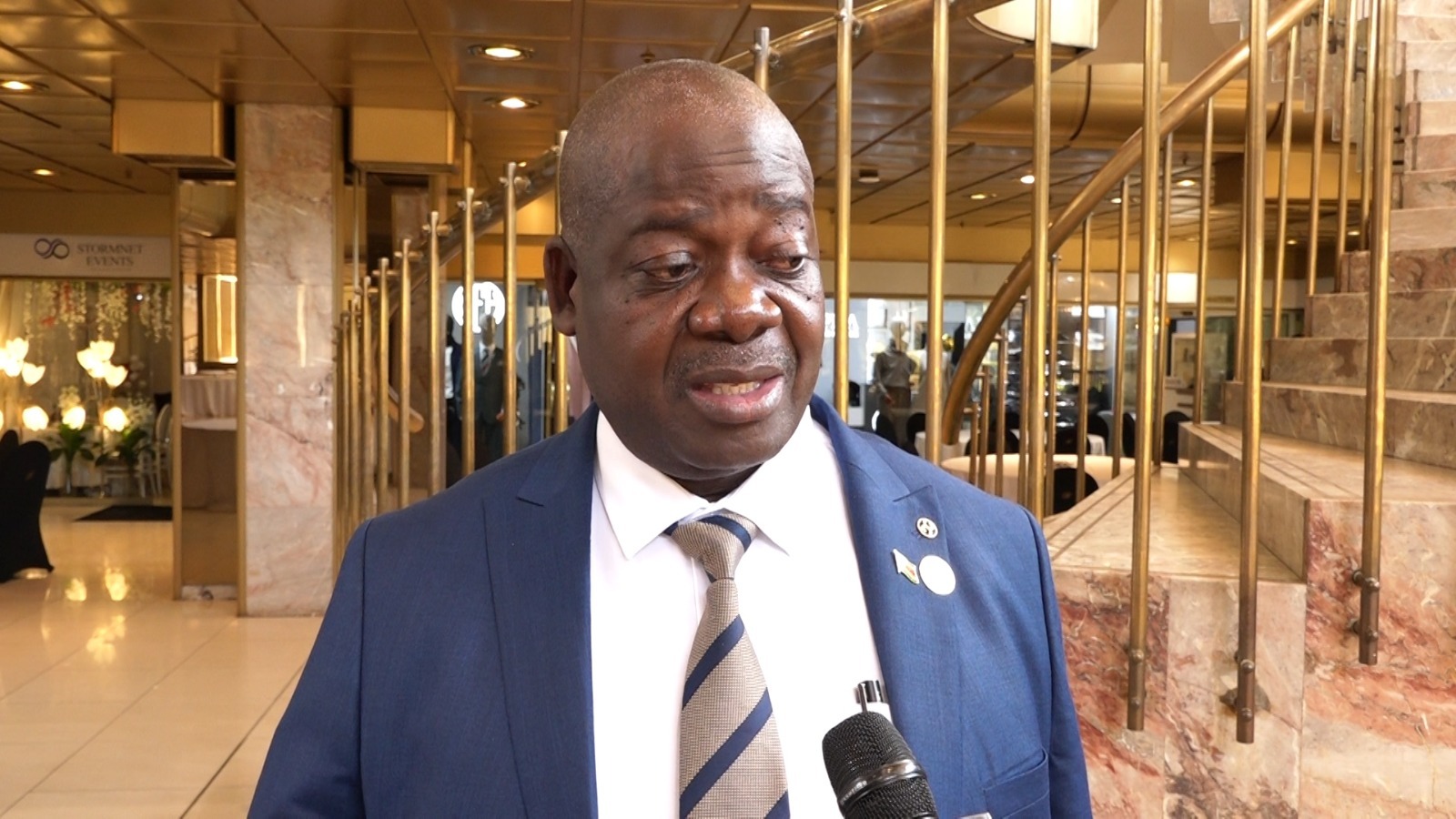
The Minister of Primary and Secondary Education, Dr Torerai Moyo said the government is optimistic that the policy will improve access to education.
“We are coming up with this policy so that we devise strategies to finance our education and one important strategy which we are lobbying is the issue of domestic resource mobilisation. We are going to mobilise with the support of government, through a whole of government approach and a whole of societal approach. We can work together with civil society organisations and the private sector to mobilise funds towards the financing of education,” he noted.
The ministry reiterated its commitment to ensuring the process is inclusive, transparent, and responsive to the needs of learners and schools across the country.

