



Story by Tichaona Kurewa
Southern African Development Community (SADC) member states have been implored to collaborate in disaster risk management and strengthen early warning systems to mitigate the effects of natural disasters.
The call comes as the SADC region has been repeatedly battered by natural disasters, including the recent El Niño-induced drought, which has left an estimated 57 million people food insecure across 12-member states.
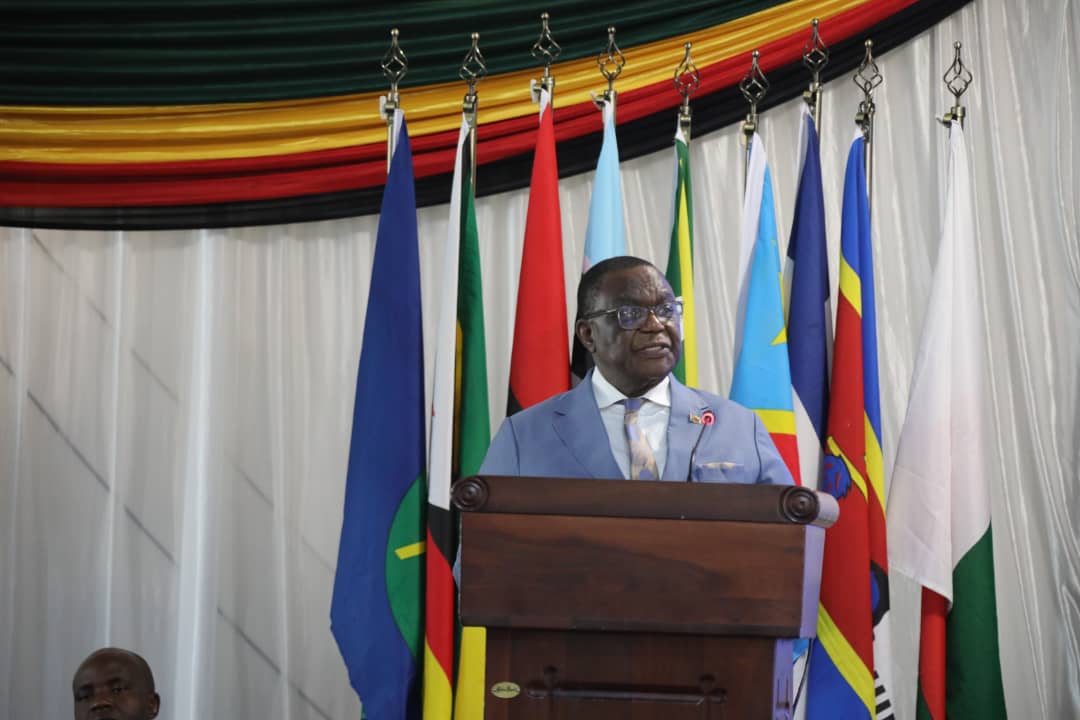
The 5th Ordinary Meeting of the Committee of Ministers Responsible for Disaster Risk Management which officially opened in Victoria Falls this Wednesday, saw member states being reminded to work together and enhance early warning systems to prevent loss of life and infrastructure.
“You may be aware that most disasters that we experience are transboundary in nature, and therefore, we need to plan together as a region. The cases in point are Tropical Cyclones Idai and Freddy which affected our region and the problem of the fall army worm, among a host of other hazards. Consistent with the United Nations Secretary General Antonio Guterres’ call and the Maputo Declaration for ensuring that every citizen has access to early warning information, I urge member states to strengthen their early warning systems, with a view to empowering communities to make informed decisions to minimize disaster impacts. The recurrence of natural disasters in the region, at accelerated frequency requires vigilance and proactiveness, instead of only reacting when disasters occur,” noted Vice President, General (Retired) Dr Constantino Chiwenga.
The sentiments were echoed by the SADC Deputy Executive Secretary In Charge of Regional Integration, Ms Angele Makombo N’tumba and the Minister of Local Government and Public Works, Hon Daniel Garwe.
“May I therefore call upon member states to ensure that they put in place adequate contingency plans and resources to make sure that we are able to protect the major development gains we have made and support vulnerable populations and communities that do not have the capacity to cope and withstand the impacts of these recurrent and persistent disasters,” Ms N’tumba said.
“On that note, investment in resilience building projects such as irrigation schemes, water harvesting techniques, livelihood diversification programmes, rural industrialisation projects among others are key as we journey towards achieving a disaster-proof region. As we discuss throughout this important gathering, let us remember that all our effort should be aimed at “leaving no one and no place behind” as espoused by The SADC Chairperson, His Excellency Dr. E. D. Mnangagwa,” stated the Minister of Local Government and Public Works, Hon Daniel Garwe.
The engagement will see ministers reviewing progress on regional disaster management activities and programmes, including the Regional Appeal for Humanitarian Assistance launched in Angola in May this year to mitigate the impact of the El Niño-induced drought.

