



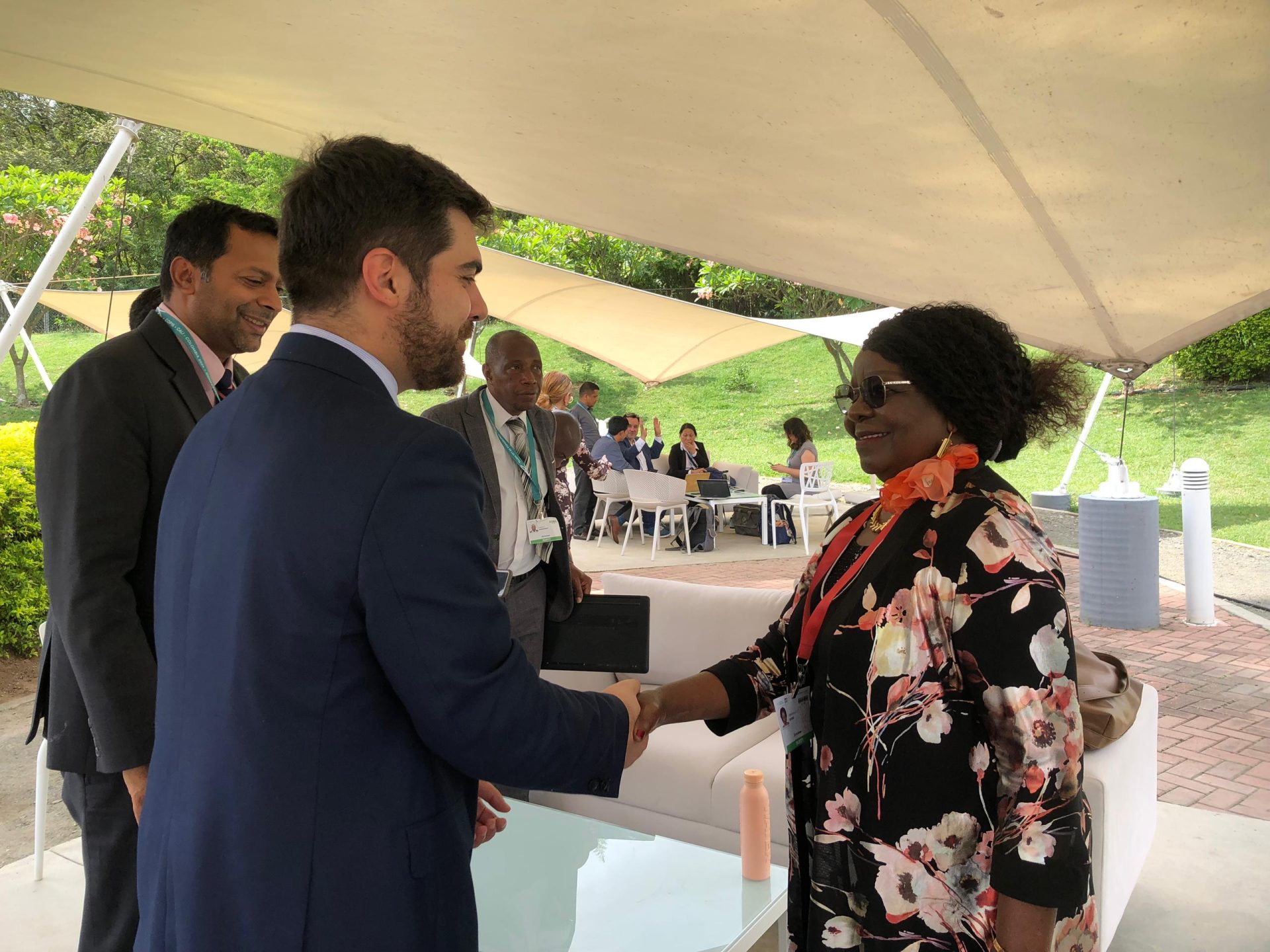
Story by Yolanda Moyo
ZIMBABWE is calling for a shift towards homegrown solutions in biodiversity conservation, emphasising the need for innovative financing mechanisms in safeguarding the country’s rich biodiversity.
In an interview with the ZBC News in Cali, Colombia, the Minister of Environment, Climate and Wildlife, Dr Sithembiso Nyoni highlighted the need for tailored approaches that align with the goal of reducing over-reliance on external funding.
“Zimbabwe has finished aligning national targets with the KMGBF, which has been submitted well ahead of time. We expect to complete the NBSAP in the first quarter of 2025. Our approach in the process is built on three pillars that is multidimensional planning: recognising the intricate relationships between biodiversity, economic development, and social well-being, secondly, the whole-of-government and whole-of-society approach; engaging all stakeholders, from local communities to national governments and lastly robust monitoring framework; incorporating community-based monitoring systems to ensure inclusive and effective tracking.
“In so doing, we need to look at our capabilities, both technical and financial, as guided by Article 20 of the Convention, to reduce over-reliance on external support which must come as complementary. I urge all players: government departments and agencies, the private sector and civil society to be united in resource mobilisation in financing homegrown solutions. Currently, I can cite the Public-Private Partnership engaged at GeoPomona Waste Management which has seen the transformation of Pomona waste dump into a modest waste management facility addressing carbon emissions, pollution and threats to biodiversity.
“Such innovative approaches are key in achieving the intended economic growth of an upper-middle-income economy by 2030, at the same time, this enables us to negotiate from a position of strength as people who are positive in building their country. Such an attitude dovetails with the President’s mantra, Nyika inovakwa nevene vayo, Ilizwe lakhiwa ngabanikazi balo. We are exploring various options, including maximising payments for ecosystem services, green bonds, and public-private partnerships, to mobilize the necessary resources for our conservation efforts.”
Dr Nyoni further highlighted Zimbabwe’s innovative financing options to funding biodiversity initiatives.
“As Zimbabwe, we have got our strategy and programmes. For instance, we have the biodiversity economy programme that is coming up and we have a strategy as a ministry to take all our forests as an economic asset that is developing economies around forests, economies around biodiversity. We then invite the global fund to come and top us. The problem that we have been facing is us waiting for the fund to come so that we can start working.”
The Global Biodiversity Framework Financial Mechanism being developed at the United Nations Biodiversity Conference (COP 16) in Colombia will play a crucial role in supporting countries like Zimbabwe in their efforts to implement the framework’s targets and goals.

