



Story by Memory Chamisa
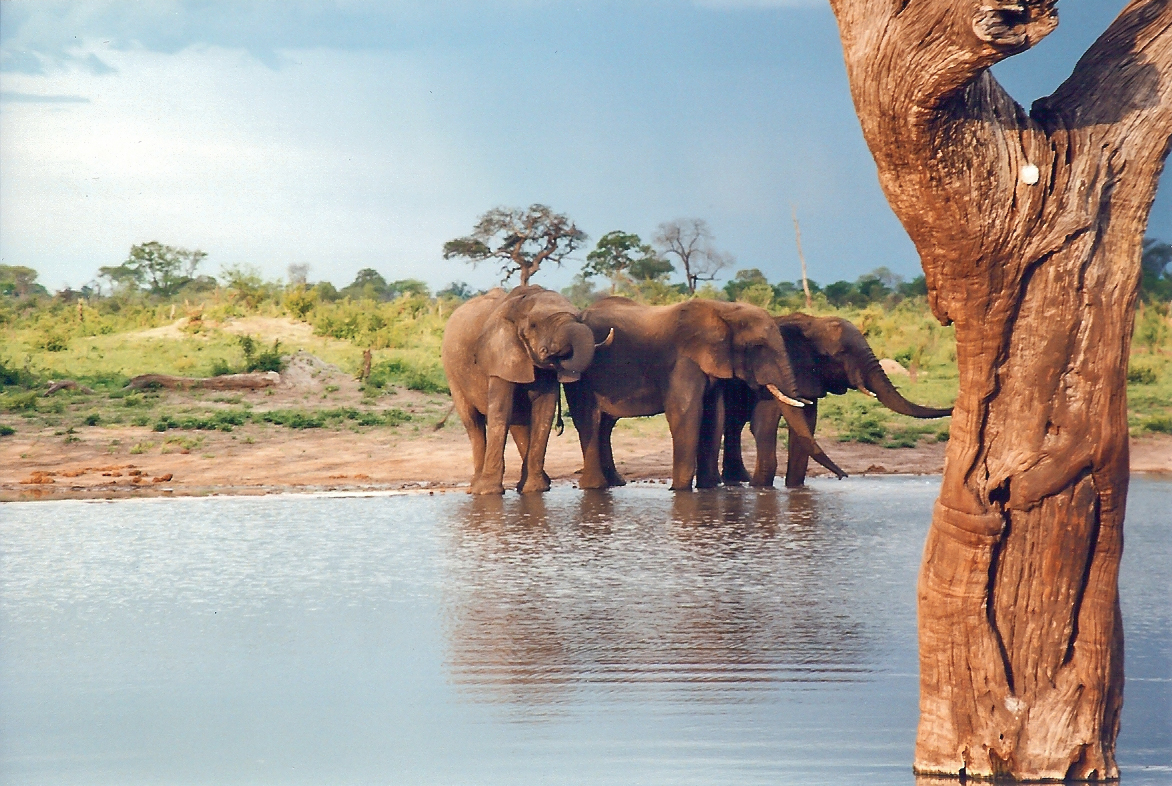
THE current wet spell has come as a huge relief at Hwange National Park where waterholes had dried up after a long dry spell.
The muddy puddles that had become the norm at Hwange National Park are now a thing of the past with both natural and artificial water points having been filled up.
Hwange National Park, the county’s largest protected area is home to about 45 000 elephants.
The devastating impact of climate change had unleashed its brutal effect on wildlife, with at least 160 elephants having succumbed to water shortage between August and December last year.
Zimbabwe National Parks and Wildlife Management Authority spokesperson Mr Tinashe Farawo underscored the need for an integrated and holistic approach to support climate-resilient landscapes and communities.
“Despite having 104 solar-powered boreholes, it isn’t enough and no match for extreme temperatures drying up existing waterholes, forcing wildlife to walk long distances searching for food and water. Water-dependent mammals like elephants are among the most affected. Water storage at many water holes has been reduced over the years and the rains received so far have been a positive development,” he said.
Hwange is part of the Kavango Zambezi Transfrontier Conservation Area covering wildlife parks in Angola, Botswana, Namibia, Zambia and Zimbabwe.

