



Story by Wellington Makonese
AFRICAN leadership has been implored to let loose chains of imperialism and look inward in their quest to find solutions for continental growth.
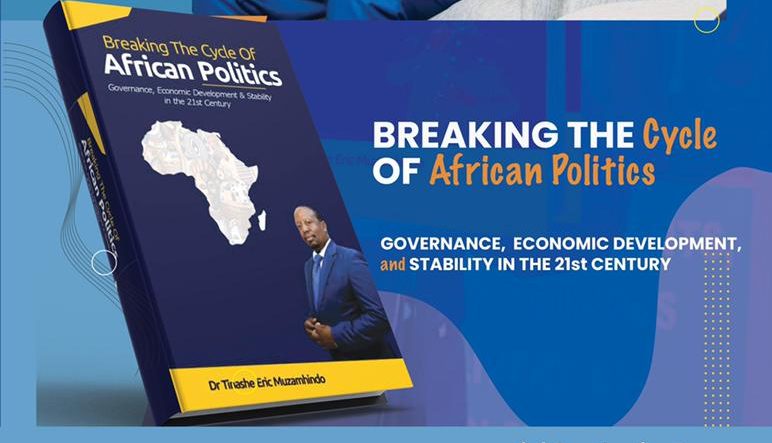
Amidst escalating geopolitical tensions that threaten the sovereignty and economic stability of African nations, a newly published book, “Breaking the Cycle of African Politics”, is igniting debate on the need for an Afrocentric governance model.
Written by local scholar Dr Tinashe Muzamhindo, the book offers an advisory blueprint for Africa’s economic transformation, emphasising self-reliance, strategic leadership, and the decolonisation of the African mindset.
“It looks at how Zimbabwe and Africa as a whole can reflect on themselves and stand independently. This publication provides strategic insights on governance and economic development. It’s something that every president and prime minister should have on their desk because it’s advisory in nature,” Dr Muzamhindo said.
Diplomats, business leaders, and Pan-African thinkers gathered for the launch, reinforcing the urgency of shifting from external dependence to a sustainable, African-led economic model.
“It is time for Africa to leverage its vast resources for production and economic growth without relying on external aid. We must take ownership of our destiny,” Harare Metropolitan Minister of State for Provincial Affairs and Devolution, Senator Charles Tawengwa said.
“Colonisation left us with leadership structures that often look to the West for direction. The time has come to redefine our priorities and place African interests first. This book challenges that status quo and encourages the liberation of the African mind,” President of the
7Socialist Party in Zambia, Dr Fred M’membe said.
“We must recognise that Africa is the epicenter of global development. We have never been in a better position to harness our potential and emerge as a powerhouse on the world stage,” Pan-Africanist, Joshua Maponga said.
The book launch comes at a critical time when Africa is navigating complex economic realities, from resource exploitation to trade imbalances.
Experts argue that fostering homegrown policies and strengthening regional cooperation will accelerate industrialisation and reduce reliance on foreign aid.
The discussion also underscored the importance of education and leadership development in shaping Africa’s future, with many calling for a shift from rhetoric to action in achieving true economic independence.

