



Story by Mercy Bofu-Matinha
MASVINGO Province is recording encouraging progress in the fight against HIV and AIDS, with both new infections and the prevalence rate continuing to decline as targeted interventions yield positive results.
The province’s HIV incidence rate has dropped to 0.15 percent, while prevalence has declined to 11.2 percent, reflecting sustained efforts to reduce new infections and expand access to treatment and support services.
The gains have been attributed to a range of programmes implemented by the National AIDS Council (NAC) and its partners, including the Sister-to-Sister and Brother-to-Brother mentorship models, moonlight HIV testing initiatives, male engagement programmes, and youth-focused interventions in schools and tertiary institutions.
People living with HIV say community-based support structures have played a critical role in improving access to treatment and enhancing livelihoods.
Mrs Tecla Moyo, who has lived with HIV for 29 years, said support groups coordinated through NAC have helped members access medication and establish income-generating projects.
“This is my 29th year living with HIV, and I want to thank the government through the National AIDS Council for coordinating support groups in our communities. In Mwenezi, we have been able to join hands as people living with HIV to support each other, ensure we access our medication in time and start income-generating projects that sustain our livelihoods,” she said.
Community advocates are also helping to address social factors that contribute to HIV transmission.
Ms Diana Ruwanika, a community advocate trained under NAC’s Gender Programme, said the initiative focuses on addressing unequal power relations between men and women, which often fuel both HIV infections and gender-based violence.
Youth representatives say programmes targeting young people are helping to reduce HIV incidence, drug and substance abuse, and gender-based violence.
“We have seen engagement programmes in our tertiary institutions, as well as the Sister-to-Sister and Brother-to-Brother mentorship programmes that are helping us reduce HIV incidence, curb drug and substance abuse, and mitigate gender-based violence among young people,” said Panashe Mhingwa of the Young People’s Network on Health and Well-being.
Despite the progress, stakeholders have raised concern over the continued vulnerability of young people aged between 15 and 24, who remain the group most affected by new infections.
At the same time, health experts say longer life expectancy among people living with HIV has brought new challenges, particularly the growing burden of non-communicable diseases such as hypertension, diabetes, stroke and cancer.
Representing people ageing with HIV, Ms Chipo Homba called for wider access to screening and treatment services.
“Many of us who are ageing with HIV are becoming vulnerable to non-communicable diseases, and we are encouraged to be screened regularly. We continue to call upon the government to ensure these screening services and treatment facilities are brought closer to communities,” she said.
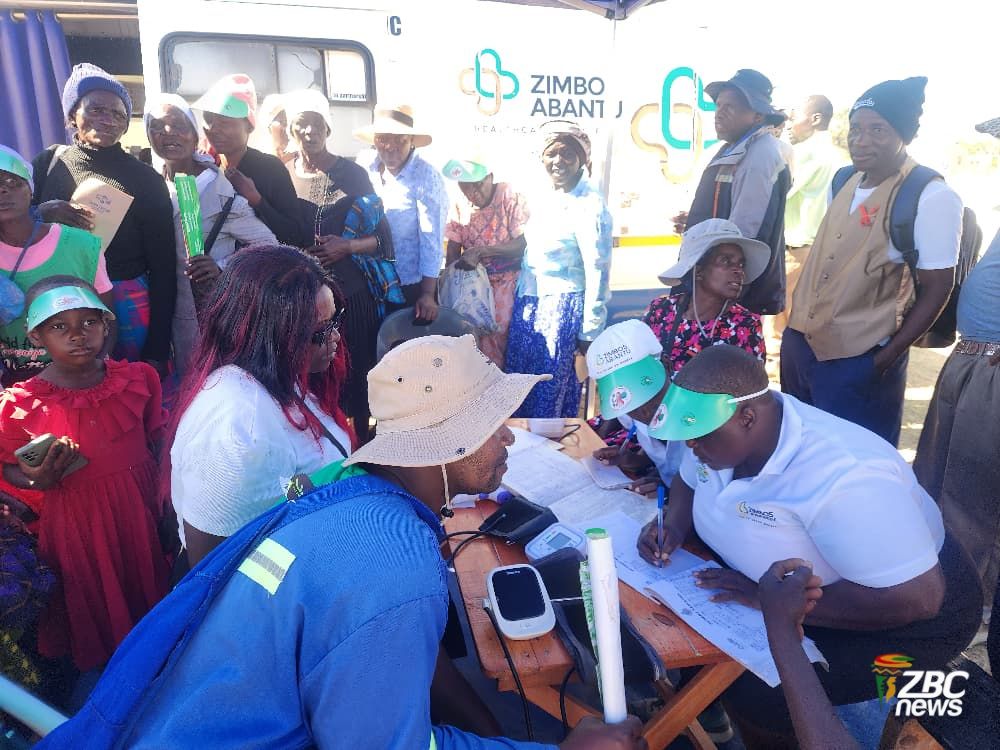
ZIMBOS ABANTU General Manager, Mr Tafadzwa Dheka said the organisation is working with NAC to provide screening services targeting people ageing with HIV.
“We are screening for prostate cancer, diabetes, blood pressure, breast and cervical cancer, among other conditions, after establishing a rise in non-communicable diseases among people living with HIV,” he said.
Speaking during belated World AIDS Day commemorations in Zaka, NAC Masvingo Provincial Manager Mr Takudzwa Kombora said the province remains on course to achieve epidemic control and ultimately end AIDS as a public health threat by 2030.
“Our HIV prevalence rate currently stands at around 11 percent while our incidence rate continues to decrease and now stands at 0.15 percent. Young people between the ages of 15 and 24 remain our biggest challenge, hence we are implementing targeted interventions in schools and communities,” he said.
Government has pledged to strengthen health infrastructure, capacitate health workers and expand innovative domestic financing mechanisms to complement the National AIDS Trust Fund.
Masvingo Provincial Director for Coordination in the Office of the President and Cabinet, Ms Rosemary Chingwe, said communities remain central to the country’s HIV response.
“As we implement the National Development Strategy Two under the guidance of President Dr Emmerson Mnangagwa, government will continue strengthening health infrastructure, capacitating health workers and expanding innovative domestic financing. Communities are not just beneficiaries; they are the backbone of our progress,” she said.
The progress being recorded in Masvingo mirrors Zimbabwe’s broader achievements in combating HIV and AIDS, with the country increasingly being recognised as one of Africa’s success stories in reducing new infections and expanding access to life-saving treatment.

