



Story by Tamuka Charakupa
GOVERNMENT has called for a whole-of-society approach in mitigating veld fires in Mashonaland West province amid increasing reports of large tracts of land being threatened by fire outbreaks.
Mashonaland West continues to record some of the highest incidences of veld fires in the country, accounting for approximately 43 percent of the national total.
Last year alone, over 420 000 hectares of land were destroyed by fire.
Against this backdrop, the government has deployed four new pieces of firefighting equipment to strengthen provincial response efforts.
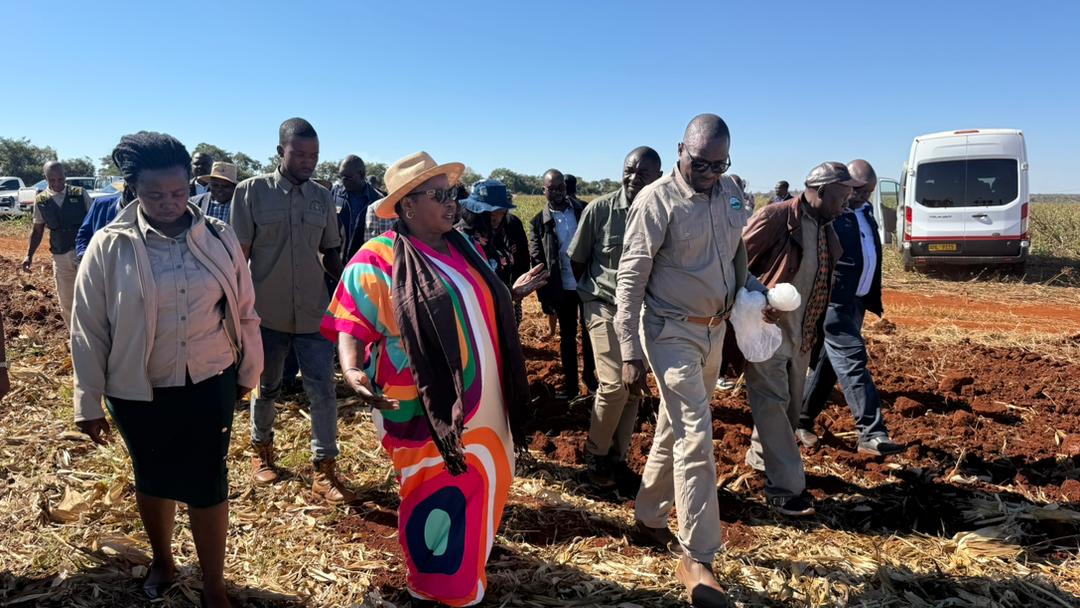
This Friday, Honourable Marian Chombo officially launched Provincial Fire Week in Banket, calling for collective action from all sectors of society.
“Veld fires continue to threaten lives, livestock, infrastructure and the environment. Their impact is felt across communities and negatively affects agricultural production and biodiversity. This is why Government is calling for a whole-of-society approach, where traditional leaders, local authorities, farmers, schools, churches, businesses and communities work together to prevent fire outbreaks. We are also pleased to be commissioning four pieces of firefighting equipment, which will strengthen our preparedness and response capacity across the province,” she said.
The Environmental Management Agency (EMA) Mashonaland West Provincial Director, Dr Kingstone Chitotombe noted that land clearing activities and poaching remain the leading causes of veld fires, adding awareness campaigns are already underway in affected communities.
“As EMA, we have already commenced our fire awareness campaigns across Mashonaland West Province. Our officers are engaging communities, farmers and schools, educating them on the importance of constructing standard fireguards and protecting our natural resources. Most veld fires are caused by human activities such as land clearing, hunting and careless disposal of cigarette stubs. Through continuous awareness and enforcement, we are confident that incidents of veld fires can be significantly reduced.”
Traditional leaders have also pledged a firm stance against offenders, warning that perpetrators will face strict penalties.
“As traditional leaders, we have a responsibility to safeguard the environment for future generations. We are encouraging sustainable livelihood projects such as beekeeping, which help communities derive value from natural resources without destroying them. We have also agreed that those found guilty of causing veld fires should face deterrent penalties, including paying a cow in line with our traditional resolutions. Village heads must establish effective local mechanisms to monitor, prevent and respond to veld fire incidents,” Chief Chundu noted.
Makonde, Zvimba, and Chegutu districts remain major hotspots for veld fires, prompting government to intensify targeted awareness and prevention campaigns in these areas.

