



Story by Aifheli Mudau
AS Zimbabwe continues to celebrate National Culture Month, the Venda community in Beitbridge District is preserving and showcasing a rich cultural identity through traditional attire that reflects heritage, social status and ancestral values passed down through generations.
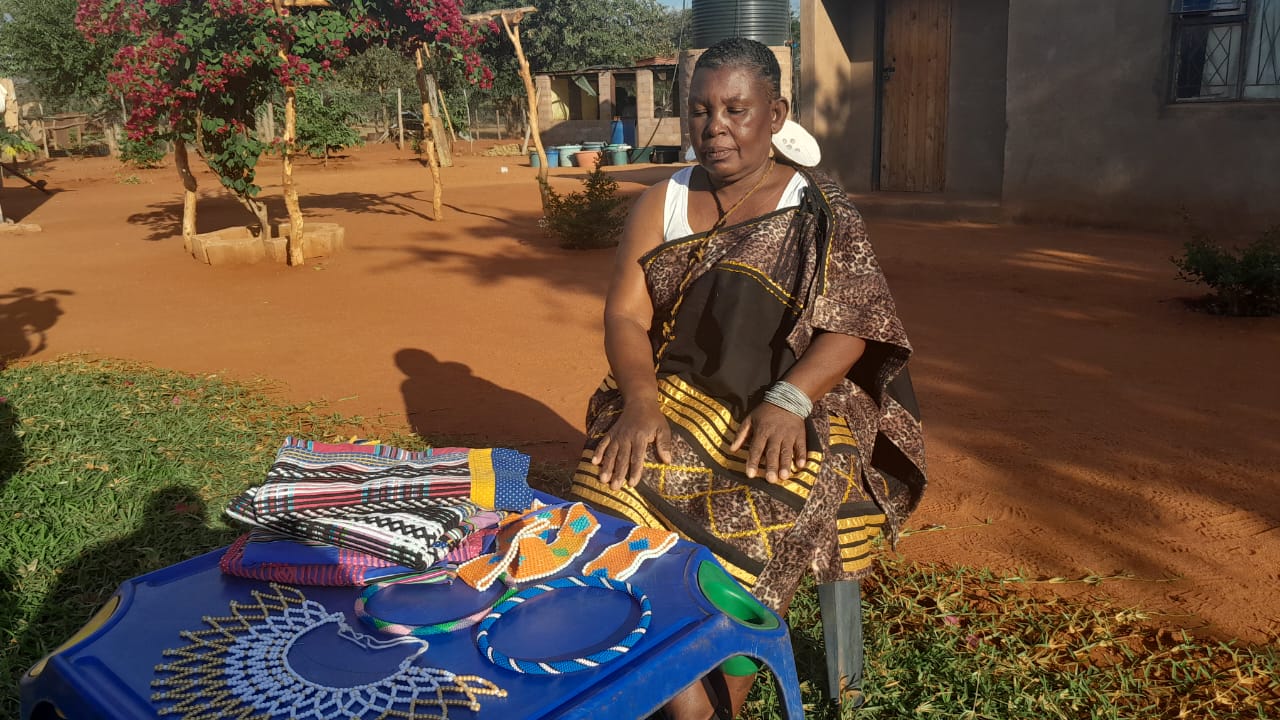
ZBC News visited Dumba Village, located about 21 kilometres east of Beitbridge town beneath the Tshambuvho and Tshinwanyi mountains, where members of the Venda community shared the cultural significance behind their traditional garments and symbols.
Known for its vibrant colours and intricate designs, Venda attire carries deep cultural meaning beyond its visual appeal, symbolising identity, ancestry and social standing within the community.
At the centre of the cultural showcase was Makhadzi Vho Agnes Siziba, who explained the meaning behind several traditional garments, including Mapala, Lutomola tsiye and Tshithivhavivho.
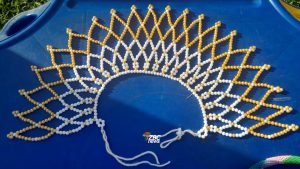
“What I am wearing now is not very common to the eyes of the public or the Venda community because this represents or means it’s only worn by the big auntie within the royal family, and the colours represent their totem or a specific animal. We also have Mapala attire that many people call ‘satellite dishes’ because of the similarities. They are worn by women to add beauty, and when a man buys you this, it means a lot of love for the wife,” said Agnes Siziba.
She also explained the significance of Tshithivhavivho, a form of attire reserved for married women within Venda culture.
“Remember some of these attire reflect a wearer’s age, marital status and social standing. So this Tshithivhavivho type of attire is not worn by girls, but only by married women, especially those who are into polygamy marriage. It is called Tshithivhavivho, indicating your bravery and dedication to marriage. It’s a clear sign that I will stay peaceful with other wives, and in case my husband decides to visit my room and find me unwell, I should have the guts to find a woman that I trust so that she can meet the conjugal rights of my man. Remember in the Venda culture, a man is likened to an elephant that feeds on different trees, and as such, a real man in the TshiVenda culture was a man with many wives because one wife is perceived as your sister,” she said.
While modern fashion trends have influenced contemporary dress styles, including the adoption of full wrap-around skirts and shirts, traditional methods of wearing the attire remain an important cultural practice among the Venda people.
Makhadzi Vho MaSiziba also demonstrated how the garments are traditionally worn by both men and women, highlighting the importance of preserving indigenous cultural knowledge for future generations.

