



Story by Tamuka Charakupa
THE government’s efforts in the fight against HIV and AIDS are bearing fruit in rural communities, in the wake of revelations that Kariba rural has recorded the lowest number of new infections in Mashonaland West province.
The story of a mother from Nyaminyami district in Kariba living positively with HIV is inspiring many to seek treatment and speak openly about the condition.
35-year-old Mrs Evelyn Nyamucherera, a mother of three, bears testimony to how antiretroviral therapy changed her life.
“I was very scared at first, but the nurses encouraged me to start ART. Now that I am healthy, I can work in my fields and take care of my children. I also brought my 8-year-old son to a peer support group, so that he grows up confident and supported,” she said.
Her story is echoed by many in Kariba rural, where HIV programming has gone beyond the clinic to households and schools.
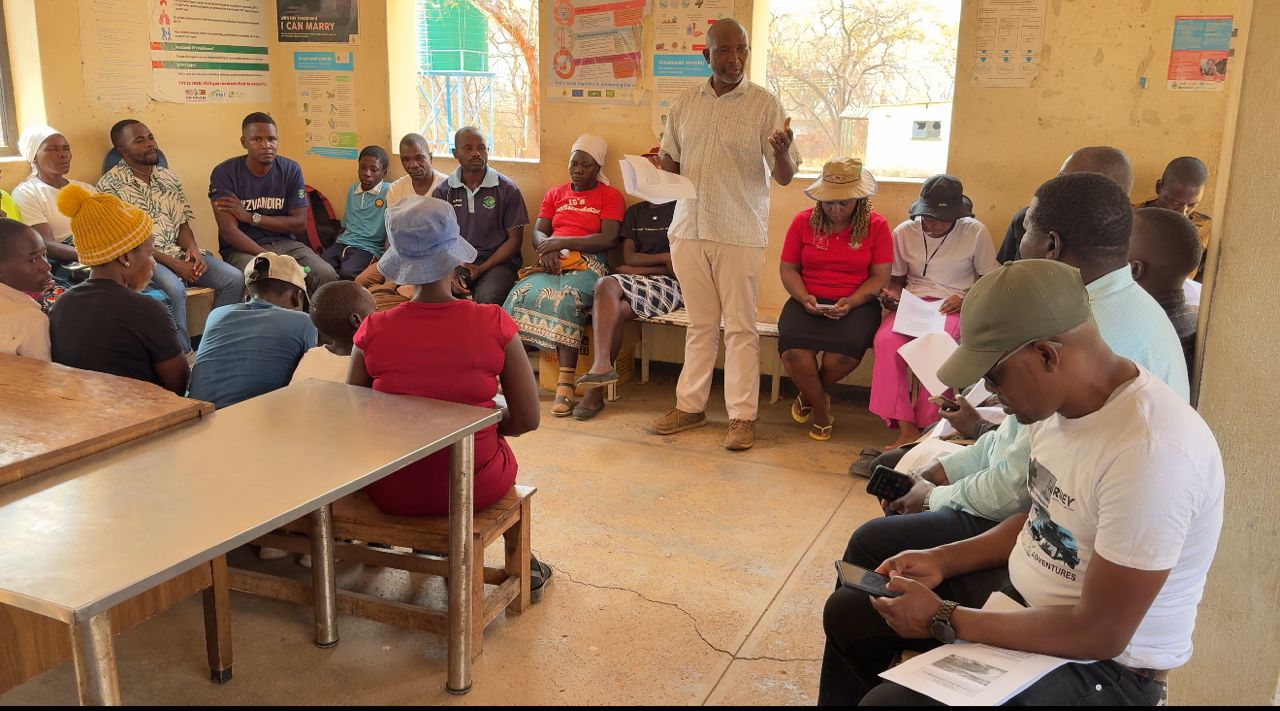
“I have accepted my fate and I now live positively. Joining the support group has changed me completely. I am not just a participant anymore, I share my story openly because I know someone out there is walking the same dark path I once walked. Every time I see another person gaining courage, starting treatment, or smiling again after hearing my journey, I feel stronger. HIV is not the end of life, it is simply a condition we can manage, and with love, adherence to treatment, and unity, we can all thrive,” a villager said.
The National AIDS Council (NAC) is impressed by these success stories in rural communities, while health officials confirm more individuals are voluntarily testing and consistently taking their medication.
“As NAC, we are implementing various programmes such as the Sister-to-Sister mentorship, Behaviour Community Change and the Parent to Children programming, all aimed towards cascading correct and accurate information on HIV and AIDS. We are teaching our people that no one must be discriminated against. HIV is just a condition like any other. When people take treatment, they can live long and healthy lives,” Kariba District, National Aids Council Coordinator, Mr Jacob Chikende noted.
“Currently, more than 85 percent of people living with HIV here are on treatment. That is a significant step toward epidemic control, and community health workers have been central in ensuring no one is left behind. On a positive note, we are grateful to government for ensuring that we have adequate stocks for ART patients,” Makande Kanyati Clinic’s Nurse in Charge Mr Ephraem Nyoni said.
Meanwhile, the inclusion of young people in peer support groups is also strengthening the fight against new infections, with the youth champions spreading awareness on prevention and testing.

