



Story by Aifheli Mudau
GOVERNMENT’S dam economy concept is bearing fruit, with Tongwe Dam emerging as a key source of livelihoods in Beitbridge District.
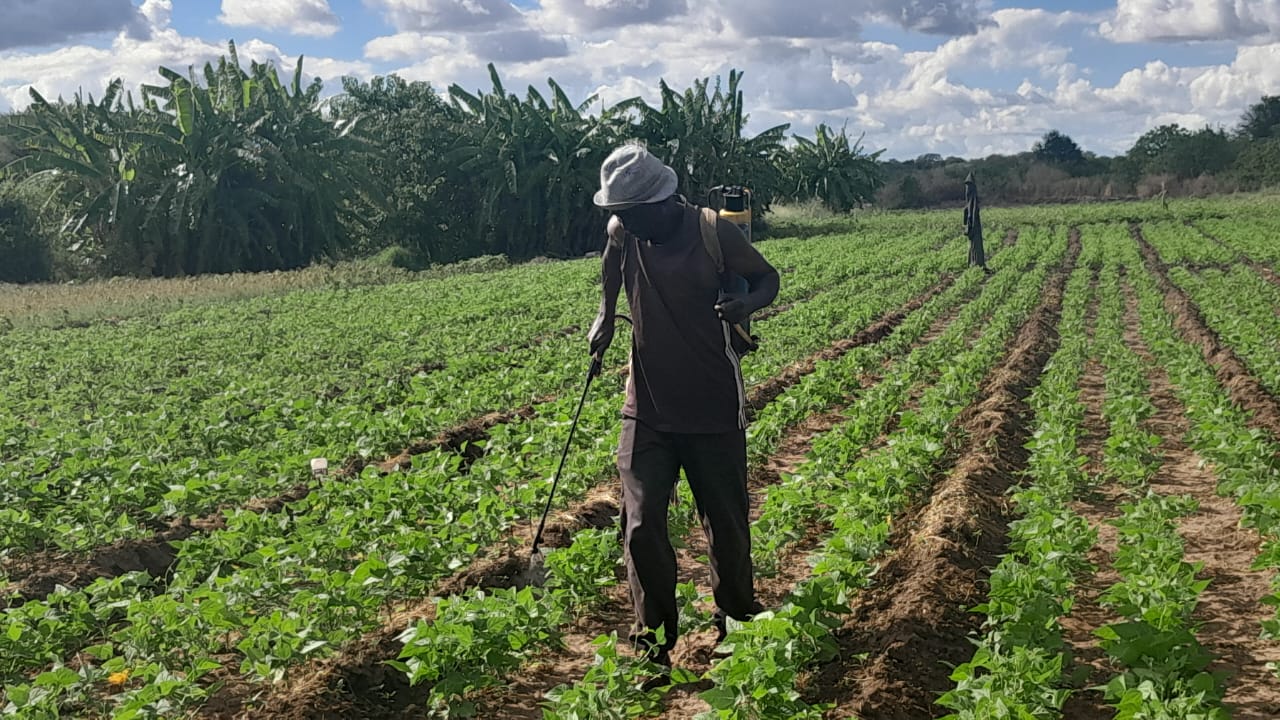
The Tongwe Irrigation Scheme continues to transform food security in the area, with villagers utilising water from the dam to grow different crops throughout the year.
One of the farmers at the scheme said the project has significantly improved livelihoods in the community.
“This irrigation scheme is helping me a lot because the produce, especially beans, is now being accepted by schools as payment for fees. I started farming here when I was still a young man and since then I have been able to take care of my family, improve my home and contribute to the development of the wider community.
“I am earning a living through this irrigation scheme because after harvesting, I sell the produce and get money, while at the same time ensuring food security at home. I have also ventured into wheat production, which is helping me in terms of both food and income,” said the farmer.
The 27-hectare irrigation scheme accommodates about 100 farmers who are receiving support from the government.
Agricultural Business Advisor Officer for Beitbridge District, Miss Lorraine Cele, said Tongwe Dam is transforming livelihoods through irrigation farming, with farmers benefiting from government assistance and improved crop production.
“Tongwe Dam is a huge water body that benefits the Tongwe community and surrounding areas. Farmers use a siphon and flood irrigation system because water from the dam is distributed through canals.
“We have wheat and sugar beans being grown here, and the farmers are receiving government support in the form of fertiliser, seed and other inputs, as well as technical advice,” she said.
Under the National Development Strategy 2, the Second Republic is shifting from rain-fed agriculture by expanding irrigation activities and constructing dams to ensure national food security.
Government is also promoting the dam economy concept, where every water body is utilised for household use, livestock production and irrigation, while also creating opportunities for fish farming and tourism activities.

