



Story by Abigirl Tembo
THE Government has unveiled an ambitious roadmap to transform Zimbabwe’s content creation industry through policy alignment, infrastructure development and skills training.
Deliberations held on Monday focused on amplifying Zimbabwean stories, expanding their reach and strengthening the production backbone required to compete in an increasingly digital and globalised environment.
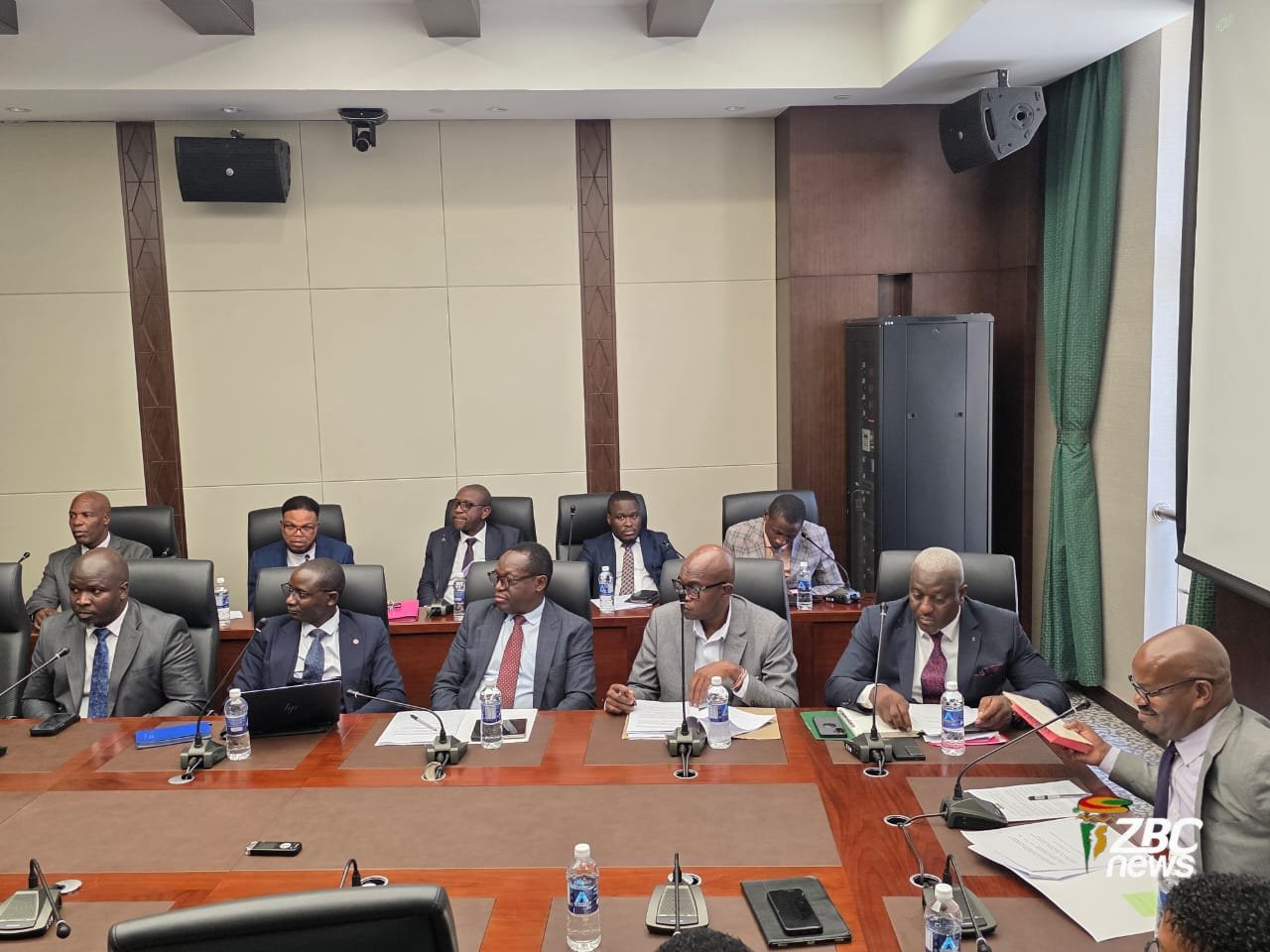
Officials from the Ministry of Information, Publicity and Broadcasting Services, the Zimbabwe Broadcasting Corporation (ZBC) and the Zimbabwe Film and Television School of Southern Africa (ZIFTESSA) appeared before Parliament to outline Government’s strategy to reinforce the creative and media sector.
Central to the plan is the expansion of production infrastructure, improved access to funding for creatives and enhanced skills development aimed at building a more inclusive national media ecosystem.
Permanent Secretary in the Ministry of Information, Publicity and Broadcasting Services, Mr Nick Mangwana, identified the establishment of provincial Content Hubs as the flagship intervention.
“Our analysis has identified three critical barriers facing young creators: the capital barrier, as professional equipment is too expensive for individuals; the skills gap, where there is limited technical expertise to execute creative ideas; and geographical centralisation, where talent outside Harare is excluded from mainstream production.
“The solution is the establishment of Content Hubs, shared-resource facilities equipped with end-to-end production capabilities, including cameras, lighting, sound studios and editing suites. These hubs will function as nurseries for young talent. They will provide access to tools, create incubation platforms for learning in professional environments, and ensure authentic local storytelling from all provinces, thereby enriching the national media landscape.”
Mr Mangwana said the rollout would follow a three-phase approach: identifying sites within existing infrastructure across all ten provinces to minimise capital expenditure; bulk procurement of standardised equipment to achieve economies of scale; and installation of broadcast-quality gear.
He stressed that ZIFTESSA would anchor skills development.
“Equipment without expertise is merely hardware. ZIFTESSA will roll out provincial masterclasses in cinematography, sound design, editing and scriptwriting. They will provide accreditation for skills acquired and deploy experienced lecturers to offer mentorship and on-site guidance.”
ZBC, he added, would ensure market access for content produced through the hubs.
“ZBC will establish a dedicated commissioning desk for content from these provincial hubs. We will prioritise productions created using hub facilities for broadcast, closing the loop between creation and monetisation.”
Addressing concerns over the US$10 million allocation, Mr Mangwana said the funds would be channelled towards capital expenditure for equipment, operational costs including training and maintenance, and a ring-fenced commissioning fund to inject income directly into the creative sector.
ZBC Chief Executive Officer, Mr Sugar Chagonda, emphasised governance and quality control.
“At ZBC, we uphold key principles of accountability and transparency. In terms of content, we emphasise quality, content that meets national broadcast standards and speaks to the aspirations of our viewers. Some productions may be suitable for social media platforms but may not meet the threshold for the national broadcaster. That distinction is important.”
ZIFTESSA representative, Mr Tich Tongogara, said the institution was prepared to scale up training.
“ZIFTESSA graduates are competitive in the marketplace. We will intensify short courses in the first and second quarters of 2026, expand outreach programmes and strengthen alumni engagement. The Harare Content Hub pilot project will be housed at ZIFTESSA, complementing our training initiatives.”
Legislators pressed officials on funding accessibility, sustainability and measurement of economic impact.
Warren Park legislator, Honourable Shakespear Hamauswa, sought clarity on long-term sustainability strategies and linkages with universities and polytechnics, while Buhera North legislator, Honourable Phillip Guyo, questioned the transparency and accessibility of the US$10 million fund for creatives in remote areas.
Makoni Central legislator, Honourable Dr Patrick Sagandiya, asked how the contribution of the local film industry to the national economy would be measured.
If implemented as outlined, the initiative is expected to broaden access to professional production facilities and training, strengthening Zimbabwe’s creative economy and positioning local stories for wider audiences.

